




Conservative activists said the window is closing to write a ban on the financial industry’s “reputation risk” into federal law to stop debanking.
American Commitment, 501(c)(4) advocacy organization, is pressing the Senate to use the short lame-duck session to take up either one of two GOP anti-debanking bills, one which was passed in the House, or its companion legislation in the Senate.
People were interested in these podcasts
American Commitment president Phil Kerpen warned that while Republicans still have control of Congress, they should make it a priority before another Democratic administration targets their political opponents by demanding financial institutions cut them off.
“Republicans should find a way to get the ban on reputation risk written into law in the lame duck or they may not have another chance before we have another Democratic administration that’s off to the races,” Mr. Kerpen told The Washington Times.
The goal, Mr. Kerpen said, is to take “reputation risk” off the table as something bank examiners and regulators can use in crafting how they interact with banks.
He said it is proven that a mass debanking phenomenon occurred, with examples at all of the major banks.
Mr. Kerpen’s urgent push for the legislation comes as Democratic lawmakers, who are about to take the gavels in both chambers, seek to scrutinize and punish corporations that have done business with the administration.
Over the past two years, lawmakers discovered that the Biden administration’s FDIC actively intervened in banks’ dealings with crypto companies, including directing banks to restrict U.S. dollar deposits in accounts for crypto firms.
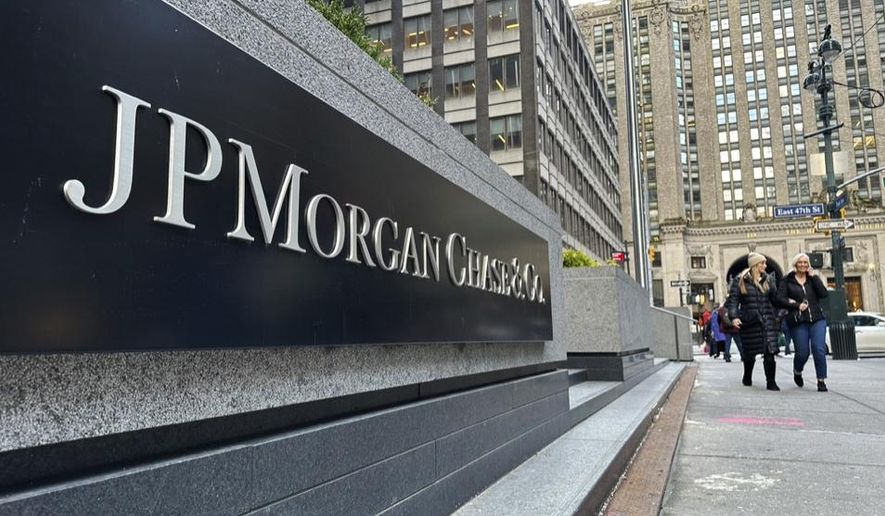
Mr. Trump and family-owned companies filed a lawsuit against JPMorgan Chase and CEO Jamie Dimon for $5 billion, alleging political discrimination and the shuttering of accounts following the January 6, 2021 breach of the U.S. Capitol.
Last month, the Treasury Department’s Office of the Comptroller of the Currency found some of the nation’s largest banks serving the U.S. allowed political concerns, public pressure and social concerns to sway decisions about who received banking services.
The OCC had reviewed the nine largest national banks under its supervision, examining about 100,000 complaints and nearly 420,000 pages of documents.
It found that all nine had used “reputation risk” policies that lacked clear, objective standards and could hinder customers because of their political or religious stances or lawful business practices.
“The idea that you can deny someone bank services not based on any illegal or improper conduct but based on the fear that someday someone somewhere will think it’s bad for your reputation is so subject to abuse,” Mr. Kerpen said.
“So, the solution can’t just be changes in regulation because the next Democratic administration will flip them right back.”
Chamber of Commerce wants American Affordability and Jobs Act
The U.S. Chamber of Commerce and an alliance of over 500 business groups called on congressional lawmakers to pass bipartisan Senate legislation to streamline approval for infrastructure projects.
The American Affordability and Jobs Act would shorten federal environmental reviews and limit how long lawsuits can hold up approved projects.
The coalition of organizations sent a letter to lawmakers calling the bill a “historic comprehensive permitting reform legislation” that must pass as soon as possible.
“We cannot afford to wait any longer to enact comprehensive permitting reform,” they said in the letter. “At a time when affordability remains a top concern for American families, there is no greater opportunity to lower costs and improve everyday life than by ensuring needed projects, investments, and other activities can move forward in a timely, predictable, and transparent manner.”
The government must speed up the process to deliver critical infrastructure needs, and when necessary investments are postponed, “families and businesses face higher costs, longer wait times, and fewer opportunities,” they said.
IRS pushed to withdraw private school tax-exempt rule
An array of more than 34 civil liberties groups are opposing a proposed IRS rule that would revoke tax-exempt status from private schools if they engage in activities the IRS sees as “racial discrimination.”
The groups are led by the American Civil Liberties Union, the Legal Defense Fund and the Lawyers’ Committee for Civil Rights Under Law.
The ACLU said the revocations could happen “even if those activities are lawful.”
A public comment submitted by the coalition of liberal organizations said the rule could undermine educational institutions’ duty to ensure “equal opportunity and freedom to teach, learn, and research by threatening to strip their tax-exempt status based on vague standards determined by the IRS alone.”
ReNika Moore, director of the ACLU’s Racial Justice Program, said it would “effectively re-segregate schools and open the door to more widespread discrimination.”
She called it an attempt to “trample constitutional rights when private institutions don’t fall in line with the Trump administration’s extreme political agenda.”
If implemented, the rule would go into effect in June 2027. According to the ACLU, an estimated 18,000 schools would be immediately affected if it is implemented.
“This is not an isolated attack. It’s part of a larger pattern of the Trump administration scapegoating diversity and inclusion efforts and politicizing tax dollars,” Ms. Moore said.
The ACLU urged the proposed rule to be withdrawn, because they say it did not provide a “reasoned basis” for the regulation or the IRS change in position.
• The Advocates column is a weekly look at the political action players who drive the debate and shape policy outcomes in Washington. Send tips to theadvocates@washingtontimes.com. Click here to receive The Advocates in your inbox each week.
Contact the author


Please read our comment policy before commenting.