


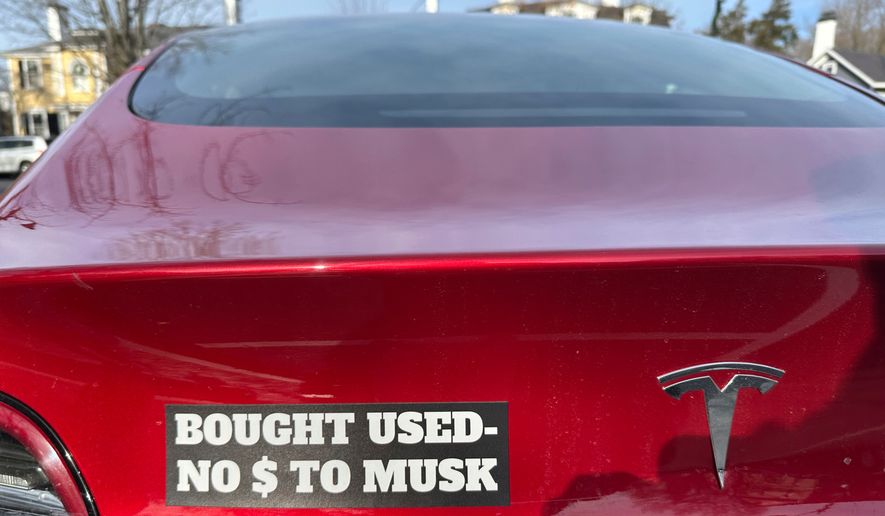

Before we had social media, Americans used bumper stickers to share their strongest and strangest views with people who didn’t necessarily care.
The medium back then was cars. Slap a belief on the rear end and go. If people agreed, they honked. If they disagreed, they honked. Drivers figured it out, usually without crashing.
The original Twitter with its character limits was nothing. With bumper stickers, a sentiment had to be packed into a dozen words or less or it was just a blur.
People were interested in these podcasts
“America: Love it or leave it.” That one rode around the country widely in the 1970s, a divisive time with anger over war, soaring gas prices and shady practices documented at the government’s highest levels. Ah, the past.
That bumper sticker, among others, is now in the collection of the Smithsonian, repository of Americana big and small.
Vote. Back Off. Coexist. Save the Whales. For decades, and seemingly peaking with the baby boomer generation, the stickers were a low-cost, low-key hum of diverse voices at a time when just three broadcasters announced the national news.
They were also a rare benefit to being stuck in traffic, either as entertainment or another way to annoy the driver behind you.
On the move, there was a breezy satisfaction in leaving a hint of yourself for others to consider, like perfume. Maybe your bumper sticker told the world where you studied, what music you liked, what sports teams you supported, what turned you on and why.
It was possible to go too far. The content of some bumper stickers over the years was taken to court, where the very American freedom of speech and expression was debated. According to the Washington-based Freedom Forum organization, some of them suggested that the driver behind them eat something that rhymed with spit.
Don’t laugh, it’s paid for. Keep on truckin’. God Bless America. How’s my driving?
The snappy, scrappy lines were so effective that more than once, U.S. lawmakers referred to “bumper sticker politics” while calling for action, not shallow slogans. That’s according to the Congressional Record.
If you’re rich, I’m single. If it’s rocking, don’t come knocking. Keep honking, I’m reloading.
And remember: If you can read this, you’re too close.
___
Part of a recurring series, “American Objects,” marking the 250th anniversary of the United States. For more American objects, click here. For more stories on the anniversary, click here.

Please read our comment policy before commenting.