


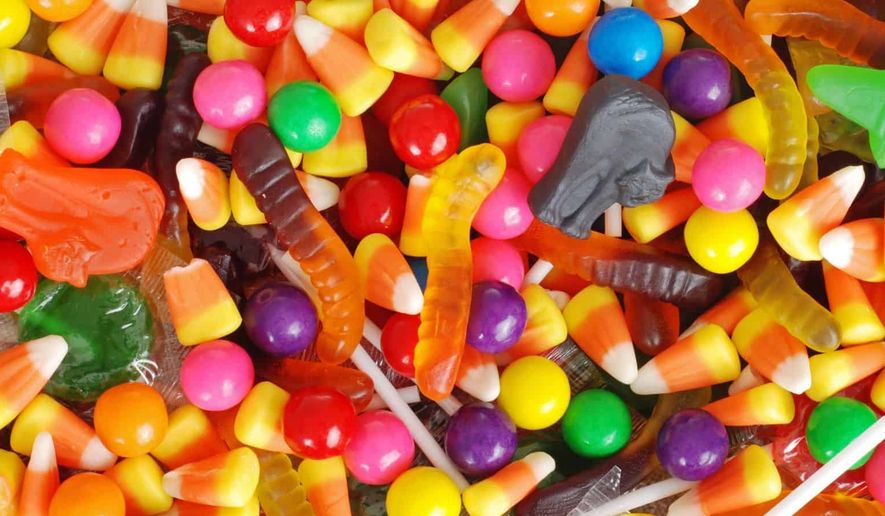

Orders for Circus Peanuts rose 350% last Halloween, leading the old-school candies highlighted in DoorDash’s annual order data. It is the loudest of several Halloween candy trends pointing the same way, toward flavors with more edge and wrappers with more history. Reese’s still holds the top spot, but the candy filling in behind it looks different than it did a few years ago.
Sour candy took two spots in the national top 10. A spicy rolled tortilla chip overtook pretzels and Goldfish as the most-ordered non-candy treat. And a cluster of candies more often found in a grandparent’s dish posted triple-digit growth.
What the delivery data shows
People were interested in these podcasts
The figures come from DoorDash’s Halloween trends report, which analyzed U.S. orders placed on the platform between Oct. 1 and Oct. 31, 2025. They describe delivery orders on a single app rather than total retail sales, so they say more about what people grab when the bowl runs low than about every bag sold in September.
Within that frame, chocolate still dominates. Reese’s Peanut Butter Cups finished first for the third year in a row, followed by Hershey’s Milk Chocolate Bars, M&M’s and Snickers. Nerds, Skittles, Airheads and Sour Patch Kids filled the next four spots, with Airheads climbing from 10th place to seventh. Haribo entered the top 10 for the first time, pushing Twix out, and KitKat rounded out the list. DoorDash also noted that Haribo has passed Nerds in total orders over the past three months.
Sour and spicy take more of the bowl
The clearest change is in flavor intensity. Cristen Milliner, a consumer trends expert at DoorDash, said in the report that sour candy cracking the top 10 and Takis becoming the go-to non-candy treat point to one change: “people are craving bold, intense flavors this year, not just something sweet.”
The pattern tracks with the wider candy market. Non-chocolate candy made up 40.9% of the record $55 billion Americans spent on confectionery in 2025, up from about one-third of sales a decade earlier, according to the National Confectioners Association’s State of Treating report. Mike Gilroy, vice president of industry engagement and sponsorship at Mars Snacking North America, told Candy Industry that younger consumers are pushing sweet-and-spicy and sweet-and-salty combinations alongside “sour, which remains a primary growth engine for these consumers.”
That appetite does not stop at the candy aisle. A plate of samosa chaat, with tamarind chutney pulling sweet, sour and spicy into one bite, hits the same notes, now winning the bowl and giving party guests something to reach for between handfuls of Takis.
Grandma’s candy dish makes a comeback
DoorDash said this is the second straight year old-school candy has surged, and the jumps are larger this time. Circus Peanuts led at 350%, with Lemonhead up 200%, Bit-O-Honey up 180% and Dum-Dums more than doubling.
Those gains sit beside the sour-and-spicy wave rather than against it, and the same shoppers appear to be driving both. One-third of consumers, especially Gen Z and millennials, say they are very interested in exact re-releases of nostalgic or retro candy, according to the National Confectioners Association, which also found younger buyers more likely to try unexpected flavors and textures. The lemon end of that nostalgia runs past the candy aisle: lemon coolers, the powdered-sugar cookie Sunshine Biscuits sold before its 1990s merger with Keebler, are tart like a Lemonhead and have outlived the company that made them.
Even Halloween’s most divisive treats are gaining
The treats people claim to hate keep growing, too. Candy corn orders rose 30% year over year and raisins rose 60%, according to DoorDash. The candy corn figure fits a long-running split over the Halloween treat that divides households more than almost any other, with fans and skeptics buying it for different reasons. Milliner said she no longer considers the raisin climb a fluke and described it as parents wanting to hand out something that still feels like a treat without going all in on sugar.
Bigger bags and a 6 pm scramble
Headlines about shrinking candy bars do not match what people are ordering. Full-size and king-size candies’ share of DoorDash Halloween orders grew from over 15% to 20%. Nationally, Halloween spending is expected to reach $13.5 billion this year, with candy accounting for $4.1 billion, according to the National Retail Federation’s annual survey of 7,889 consumers. Candy remains the most common purchase, with 96% of Halloween shoppers planning to buy it and 61% planning to hand it out. Shoppers are also watching prices: 31% said they would comparison shop if items cost more than expected.
The timing data is its own story. DoorDash recorded a morning rush between 7 and 10 a.m. on Halloween that nearly doubled a typical Friday, then a second peak at 6 p.m. as households realized the bowl was running low with trick-or-treaters still on the way. Dinner mostly gave way 20%.
The pizza numbers point to the same thing as the candy numbers: on Halloween night, fast and bold beats slow and subtle. That preference extends to what gets cooked at home. Indian chili paneer, a sticky, chili-heavy dish that finishes in about 25 minutes, falls into the same category as a pizza order, dinner that feeds everyone and gets them out the door.
Taken together, the data sketches a bowl that still leans on chocolate but leaves room for one sour pick, a bag of something spicy and at least one candy that was popular before the people handing it out were born.
Shruthi Baskaran-Makanju is the founder of Urban Farmie, where she shares globally inspired vegetarian recipes drawn from cooking in more than 65 countries. A former agriculture and food systems consultant, she writes about how people shop, cook and eat.

Please read our comment policy before commenting.