




Most people write a grocery list by thinking about what they want to eat. That is the wrong end.
The change worth making is small enough to feel trivial: before writing anything, open the refrigerator, the freezer and the pantry, and write down what is already in there. Build the list against that inventory rather than from a blank page.
It sounds like housekeeping advice. It is actually where the largest recoverable amount of money in a household food budget sits, and the numbers behind that are not small.
The money is in what you throw away

Start with the scale of the problem. The USDA estimates that between 30 and 40 percent of the American food supply goes uneaten, making food the single largest category of material in the country’s landfills. The agency puts the cost to the average family of four at roughly $1,500 a year in food that was bought and never eaten.
That figure describes households, not farms. A Penn State analysis found the average American household wastes about 31.9 percent of the food it buys. Roughly 70 percent of households fall between 20 and 50 percent. The most disciplined still discard around 8.7 percent.
The Environmental Protection Agency’s own accounting puts food waste at about 11 percent of total annual household food spending once restaurant meals are included.
Now the part that matters for the list. Around two-thirds of household food waste is food that simply was not used before it went bad. Not spoiled on the shelf at the store, not thrown out as scraps. Bought, put away, forgotten, discarded.
That is a purchasing problem, and it is fixable at the point of purchase.
Why the inventory comes first
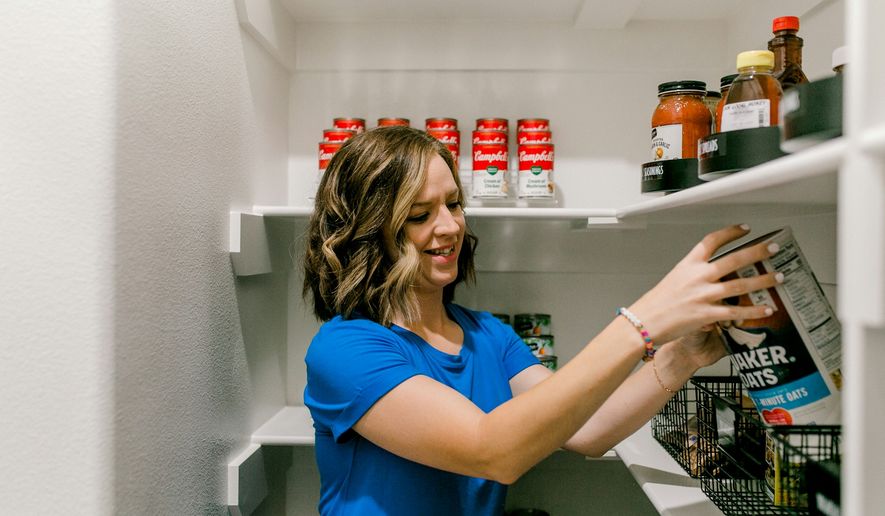
The mechanism is straightforward. You buy a second bunch of cilantro because you do not remember the first one, which is behind the yogurt. You buy chicken thighs because they were the plan, forgetting the ones already in the freezer. Multiply that across a year.
Writing the inventory first does three things at once. It surfaces what needs using this week, which means the list gets built around clearing stock rather than adding to it. It kills duplicate purchases, which are the cleanest form of waste because you paid twice for something you will throw away once. And it forces a rough plan, since deciding what to do with the half bag of rice and the aging carrots is meal planning whether you call it that or not.
Ten minutes with a notepad in front of an open fridge is the whole method.
What Actually Reduces the Bill
With the inventory done, a few purchasing choices do the rest of the work. They are less interesting than the inventory and they still matter.
Buy things that survive. Dried beans, rice, oats, pasta, canned tomatoes and canned fish do not have a Thursday deadline. Building the backbone of a week around shelf-stable staples means the perishables you do buy have a defined job rather than sitting as options.
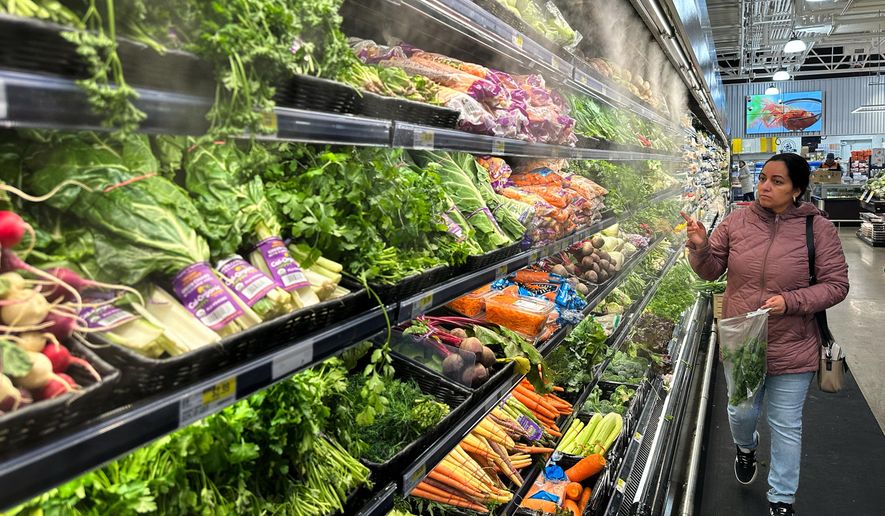
Buy produce in season. Seasonal fruits and vegetables are cheaper because supply is high, and they last longer because they traveled less. This is one of the few cases where cost and quality point the same direction.
Use plant proteins deliberately. A pound of dried lentils against a pound of ground beef is not a close comparison, and the gap has widened. Beef has been among the steepest grocery categories in recent years, while food-at-home prices overall rose 2.7 percent in the year ending June 2026. Shifting two dinners a week is a real line item.
Be honest about the packaged aisle. Convenience foods are not automatically expensive, and some are genuinely cheap calories. But a boxed meal kit that serves one specific dinner has no second use, while a bag of rice has five. Flexibility is a financial property, not just a culinary one.
One correction worth making
A common piece of advice deserves an honest note here.
Buying organic, or buying direct from local producers, has arguments in its favor. Saving money is usually not one of them. Both typically cost more per unit in American grocery stores and farmers’ markets, sometimes considerably. Farm stands can beat supermarkets on peak-season produce, and bulk bins can beat packaged goods, but that is a specific case rather than a general rule.
If the goal is lowering the bill, the honest lever is the one that costs nothing: buy less of what you will not get to.
Cutting household waste from 32 percent to 16 percent, which is well inside what an inventory habit can achieve, is worth several hundred dollars a year to a typical family and considerably more to a large one.
No coupon does that.
This article was constructed with the assistance of artificial intelligence and published by a member of The Washington Times' AI News Desk team. The contents of this report are based solely on The Washington Times' original reporting, wire services, and/or other sources cited within the report. For more information, please read our AI policy or contact Steve Fink, Director of Artificial Intelligence, at sfink@washingtontimes.com
The Washington Times AI Ethics Newsroom Committee can be reached at aispotlight@washingtontimes.com.

Please read our comment policy before commenting.