



OPINION:
An unstable electric grid stands in the way of America’s energy future.
The growing list of early power plant retirements, which outpaces new power supply to the electric grid, threatens a disruption of reliable power.
The Trump administration is doing what it can to help some plants remain open and serve American communities, but these temporary actions can only brace our creaking electric grid for so long.
Further, plant shutdowns make us more vulnerable to the rising power demands coming our way. Rapid electrification, increased manufacturing and the rise of new technologies such as artificial intelligence will require a new fleet of power sources to support the United States.
To make our power generation more reliable, we must make federal policy more predictable. By reforming the outdated, slow, and arbitrary federal permitting process, America can unleash new sources of power.
This new fleet will be powered by promising technologies, including nuclear. Advances in nuclear energy, especially small modular reactors (SMRs), offer a game-changing source of reliable, carbonfree power. Former Virginia Gov. Glenn Youngkin, understanding this reality, promoted the lofty goal of making Virginia the first state in the nation to build and run a commercial SMR. Thanks to Youngkin’s leadership, the Virgina Innovative Nuclear Hub, which consists of energy partners, research institutions and the state government, can collaborate on nuclear projects.
Such projects are contingent on obtaining a license from the Nuclear Regulatory Commission (NRC). This federal agency oversees and approves all nuclear power construction, including the buildout of microreactors and SMRs. With how critical these technologies are for America’s energy leadership, the NRC has received greater attention from lawmakers over the past few years and has led to bipartisan reforms.
Accordingly, Congressional action recently focused on my bill, the Efficient Nuclear Licensing Hearings Act. My bill will help reform an outdated procedural requirement at the NRC, making it less costly for applicants and NRC staff to navigate the nuclear licensing process. Given the overwhelming support my legislation received in the House Committee on Energy and Commerce, it is clear the positive excitement about nuclear energy is growing. Congress recognizes we must continue to improve the permitting process for all energy forms, including nuclear.
While advanced nuclear reactors remain in a nascent state, our energy maturity is tied to more familiar baseload energy sources: natural gas and coal.
Natural gas and coal remain an indispensable part of America’s energy mix, providing dispatchable power that stabilizes the grid when renewable output fluctuates. Congress is considering reforms to strengthen federal coordination on natural gas pipeline reviews so projects can move forward without years of delay but assuring that landowners are protected and pipeline routing makes sense. These reforms would reduce energy costs for families and ensure a dependable supply for the country for decades.
America is also home to beautiful, clean coal technologies. Thanks to innovations and technological progress, coal plants can continue to serve our electric grid while cutting back on emissions.
Baseload power is a critical piece to the equation, but leading in energy requires tapping into all available energy sources.
American leadership in clean power deployment — solar, wind, geothermal, hydro and battery storage — is worth federal policy focus. Small hydro, and pumped storage projects in particular, are an overlooked energy source for the country. Regardless of the type of power, the permitting delays that affect clean energy infrastructure must be addressed.
Faster licensing of energy projects could unlock billions in private investment, generate economic growth, particularly in rural areas, and help modernize our electric grid.
Should we fail, American communities will fall behind.
Through action on permitting reform, we can make our energy future bright, visible and prosperous.
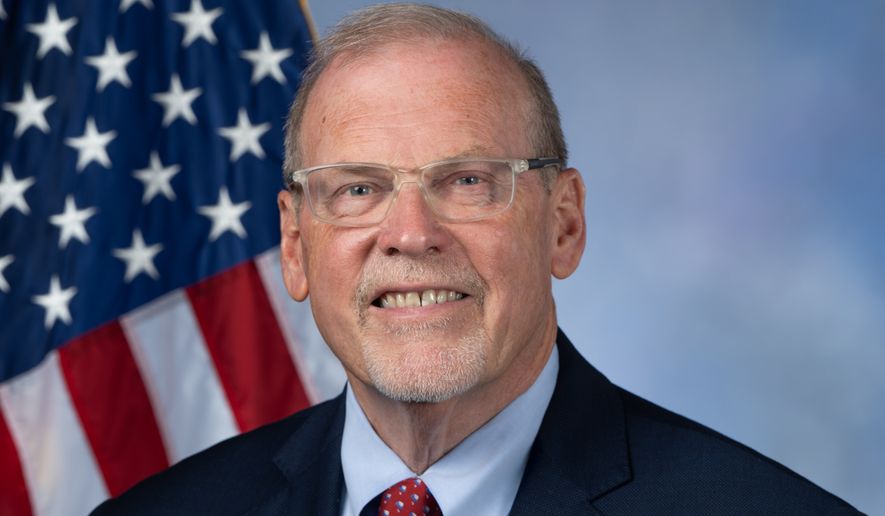
• As the representative for Virginia’s Ninth Congressional District, Rep. Morgan Griffith serves as chairman of the Subcommittee on Health for the House Committee on Energy and Commerce.

Please read our comment policy before commenting.