


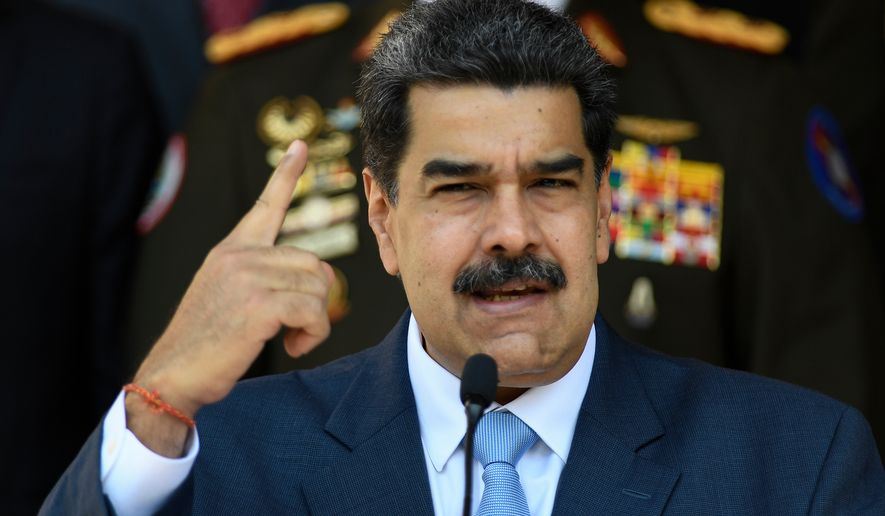

1. What did former Venezuelan President Nicolas Maduro’s lawyers ask the court to do?
Lawyers for Maduro and his wife, Cilia Flores, filed papers Wednesday in Manhattan federal court asking a judge to dismiss the drug trafficking indictment against them. They argued that as Venezuela’s recognized head of state and first lady, both are immune from prosecution in a U.S. court.
2. What is the legal basis for their immunity claim?
People were interested in these podcasts
The lawyers argued that heads of state have historically been exempt from criminal prosecution in any court other than their own country’s, calling it a rule older than common law. Maduro’s team also argued that even without head-of-state immunity, he would still be protected by conduct-based sovereign immunity, while Flores’s lawyers said her immunity belongs to Venezuela’s sovereignty and only Venezuela can waive it.
3. Who is involved in the case, and how did Maduro end up in U.S. custody?
Maduro, 63, and Flores, 69, have been held at a Brooklyn jail since U.S. forces seized them from their Caracas home in a nighttime raid in early January and brought them to New York. The case, first brought six years ago, also named numerous alleged co-conspirators, and Judge Alvin K. Hellerstein is overseeing the proceedings.
4. What happens next in the case?
Federal prosecutors are scheduled to respond to the immunity arguments later this month, and Judge Hellerstein has set oral arguments on the motions to dismiss for Nov. 17. Maduro and Flores are currently scheduled to stand trial on the drug trafficking charges beginning June 1.
5. What are the underlying charges, and how have both sides characterized the case?
U.S. prosecutors allege Maduro conspired to move thousands of tons of cocaine into the United States by colluding with Venezuelan law enforcement to assist drug kingpins; both defendants have pleaded not guilty and face potential life sentences if convicted. The Trump administration has described the raid that captured Maduro as a “surgical law enforcement operation,” while Maduro has called himself a prisoner of war and described his capture as a kidnapping; his lawyers say he “vehemently denies” the allegations.
For more on this report, read “Maduro, wife filed papers seeking to end drug charges case based on immunity grounds” from The Associated Press, published on The Washington Times.
This article was constructed with the assistance of artificial intelligence and published by a member of The Washington Times' AI News Desk team. The contents of this report are based solely on The Washington Times' original reporting, wire services, and/or other sources cited within the report. For more information, please read our AI policy or contact Steve Fink, Director of Artificial Intelligence, at sfink@washingtontimes.com
The Washington Times AI Ethics Newsroom Committee can be reached at aispotlight@washingtontimes.com.

Please read our comment policy before commenting.