


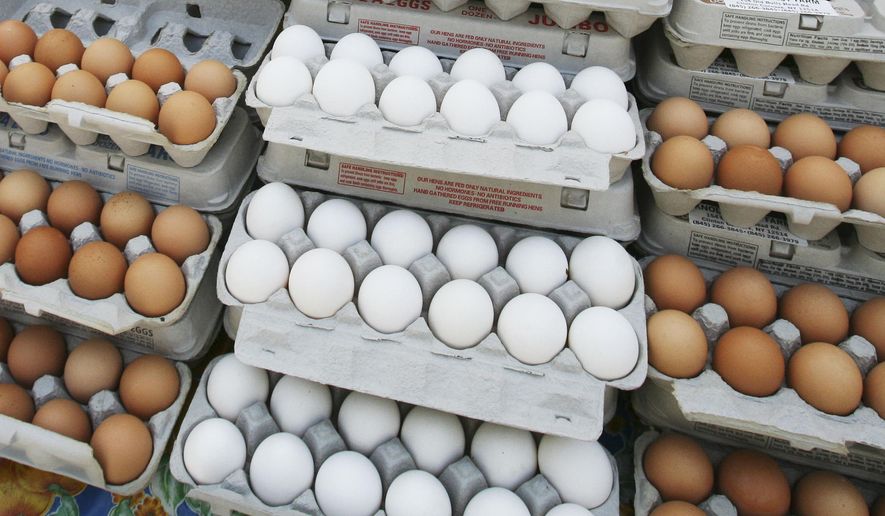

Stand in front of the egg case and the choice looks like it means something. White on one shelf, brown on the other, usually a dollar or two apart. The brown ones sit next to the organic labels and the pasture-raised cartons, which makes the message feel obvious.
It isn’t. The USDA is direct about this: nutrient levels in white-shell and brown-shell eggs are not significantly different, and shell color is not a factor in the federal grading standards at all. A large egg is roughly 70 calories, 6 grams of protein, and the same long list of vitamins and minerals, whatever color it arrived in.
So where does the price gap come from, and why does the belief survive?
People were interested in these podcasts
It Comes Down to the Hen, Not the Egg

Shell color is a breed trait. It is decided before the hen lays anything, and nothing about her diet, her housing, or her time outdoors changes which color she produces.
The commonly repeated version of this rule is that white-feathered hens lay white eggs and brown-feathered hens lay brown. That is roughly true of commercial flocks and wrong often enough to matter. NPR ran that claim in 2006 and heard about it at length from chicken owners.
The better predictor is stranger. Chickens have earlobes, and as USDA research food technologist Deana Jones has explained, red earlobes generally denote brown-shell eggs, and white earlobes generally denote white-shell eggs. Not a perfect rule, she notes, since nature always has an asterisk, but a considerably more accurate one than feathers.
There is a detail here that settles the argument better than any nutrition label. Crack a brown egg and look at the inside of the shell. It is white. The shell itself is calcium carbonate, and the brown is a pigment called protoporphyrin laid down as a thin coating on the outside at the end of the process. The color is, quite literally, surface deep.
Why Brown Eggs Cost More
The price difference is real, and it has nothing to do with quality.
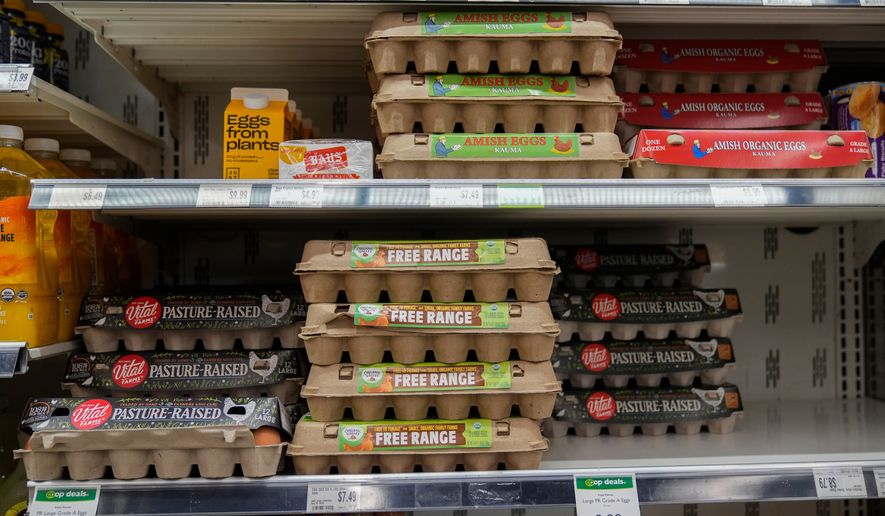
The breeds that lay brown eggs, Rhode Island Reds and Plymouth Rocks among them, are bigger birds. Bigger birds eat more feed. More feed means a higher cost per egg produced, and that cost passes through to the carton.
There is a second effect that has become at least as important. Organic, free-range and pasture-raised operations have tended to use brown-egg breeds, so brown shells ended up sitting alongside the premium labels on the shelf. Shoppers drew the obvious conclusion, and the association hardened into a belief about the egg itself.
That is the loop worth noticing: the color did not make the egg better, but it did end up marking the aisle where the more expensive eggs live.
The Blue Ones Are Real
Occasionally a carton turns up with pale blue or green shells, and shoppers assume something has been done to them.
Nothing has. Blue-shelled eggs come from specific breeds, most famously the Araucana, which originated in Chile, and its American relatives the Ameraucana and the Easter Egger. Those hens carry a genetic quirk that adds a different pigment during shell formation. Inside, the egg is the same as any other.
They are uncommon in stores mainly because the breeds that lay them produce fewer eggs than commercial layers, which makes them uneconomical at scale. Where they do appear, it is usually in mixed-color cartons sold as a novelty.
What Actually Changes an Egg
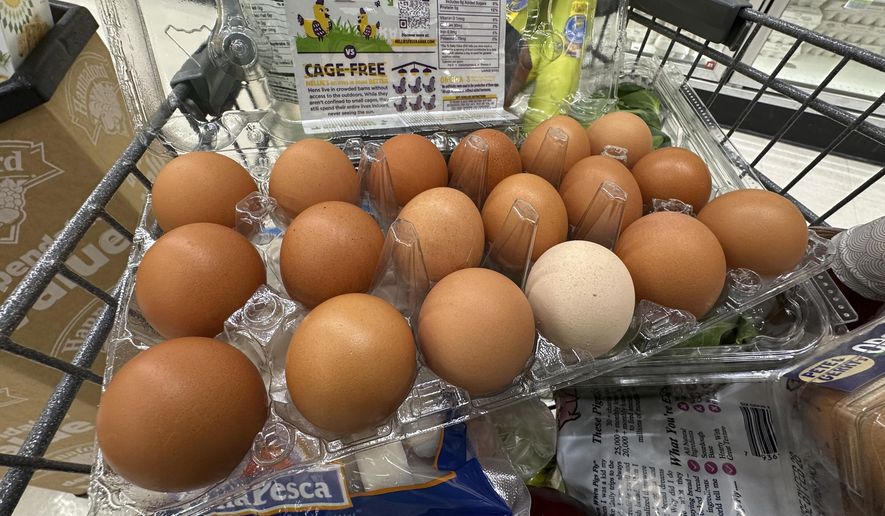
None of this means all eggs are identical. It means the shell is the wrong place to look.
What genuinely affects an egg is what the hen eats and how she lives. Hens fed flaxseed or fish oil produce eggs meaningfully higher in omega-3 fatty acids, which is why those cartons say so explicitly. Hens with real outdoor access get more sunlight, which shows up as higher vitamin D. Freshness changes texture and taste more than most people expect, which is why a backyard egg often tastes better than a supermarket one of the same color.
Stress, illness or a poor diet can also shift a shell a shade lighter or darker than that hen’s breed normally produces. It changes the tint. It does not change the egg.
All of which points to the same conclusion. The carton tells you far more than the shell does. Read the label, check the date, and let the color be what it is, which is the hen’s genetics showing on the outside.
This article was constructed with the assistance of artificial intelligence and published by a member of The Washington Times' AI News Desk team. The contents of this report are based solely on The Washington Times' original reporting, wire services, and/or other sources cited within the report. For more information, please read our AI policy or contact Steve Fink, Director of Artificial Intelligence, at sfink@washingtontimes.com
The Washington Times AI Ethics Newsroom Committee can be reached at aispotlight@washingtontimes.com.

Please read our comment policy before commenting.