


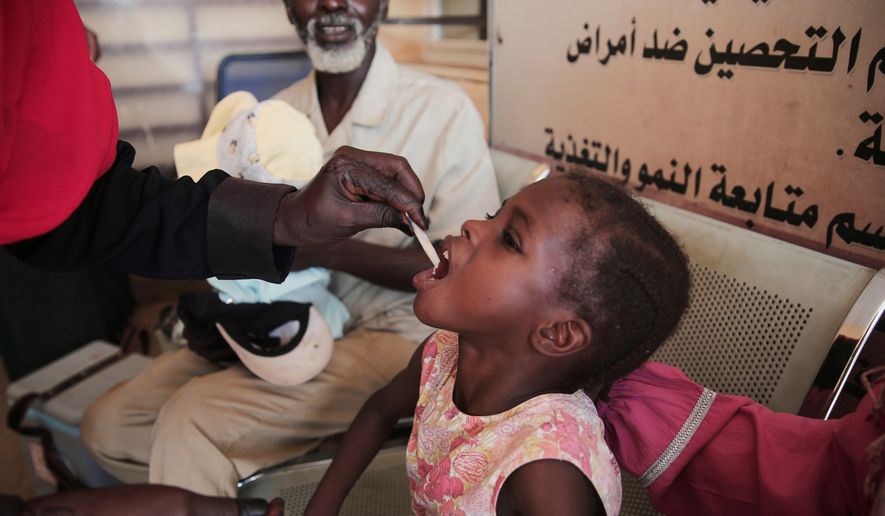

CAIRO — An additional three dozen health facilities serving more than 400,000 people in Sudan are closing this year due to global aid cuts, worsening a dire humanitarian situation in a country torn by more than three years of war, aid groups said Tuesday.
The cuts come to a health care system that once numbered 6,500 primary healthcare facilities and 300 public hospitals, but that already was decimated in the first year and a half of war. By September 2024, the World Health Organization said that up to 70-80% of facilities in the worst-hit areas were either closed or barely functioning.
Sudan plunged into war in April 2023 when tensions between the army and the paramilitary Rapid Support Forces, or RSF, escalated into full-scale fighting across the country. The war killed at least 59,000 people, displaced some 13 million and pushed parts of the country into famine.
People were interested in these podcasts
More aid organizations are pulling out as clinics are left without necessary medicine or funding, forcing patients to face costly transportation and dangerous journeys to get treatment, said Doctors Without Borders, or MSF.
“These cuts are stripping away what little capacity remains, closing facilities, sending health workers home, and cutting off supply lines for medicines and nutrition treatment. The system is already stretched past its limit,” said Mesfin Teklu Tessema, senior technical health director for the International Rescue Committee, or IRC.
Fewer health facilities remain open as aid reaches fewer people
Mohammed Mahdi, IRC director for East Sudan, told The Associated Press that funding cuts are forcing the closure of 36 IRC-supported facilities and sites, cutting off access to essential services for an estimated 473,700 people.
“A small number of facilities are able to keep running for a short period using other funding sources, but this bridge support is only expected to last through the end of September,” Mahdi said of facilities across Sudan.
Healthcare providers couldn’t find alternative funding needed to provide healthcare services after grants to many organizations in Sudan ended in June following the announcement of U.S. aid cuts last year, according to MSF. Some major European donors also decreased their aid spending.
The Um Rakuba camp in Gedaref State in eastern Sudan, which shelters around 17,000 displaced people, is now served by fewer than 10 aid organizations operating in and around the camp, down from about 35 in 2021, according to MSF.
The MSF-supported hospital there “is now the only lifeline left” for refugees and residents, said Fabrizio Locuratolo, MSF humanitarian affairs manager in the statement.
Risks of outbreaks across the country
Ali Almohammed, MSF emergency health manager, warned that “serious disease outbreaks are already happening” in several parts of Sudan. He told the AP that measles reached a “major outbreak level” in Darfur, with approximately 75% of measles patients being unvaccinated.
Sudan is also experiencing cholera and malaria outbreaks.
Multiple attempts have been made to end the war, including peace talks. Most recently, the United States urged the U.N. to impose sanctions against the warring parties as a means of pressuring them to negotiate an end to the conflict.

Please read our comment policy before commenting.