



OPINION:
Republicans are holding a unique midterm combination rally/get-out-the-vote convention in Dallas this week.
The party hopes to raise enthusiasm (and money) for Republican candidates in the November elections. One indication that they are in trouble is polls showing Republican Senate candidate Ken Paxton — once impeached by members of his own party and accused of being a serial adulterer and tax cheat — and Democratic Senate candidate James Talarico — serial flipper and re-creator of God in his image — close to being tied.
Another factor may keep the Senate race in Texas and other Republican races close. People are fed up with politics and politicians. One hears the same tired promises and criticisms over the years. The candidates change, but the script, not so much.
People were interested in these podcasts
Today’s candidates, like yesterday’s, are going to improve education, reduce the cost of everything (though they never say how) and reduce crime. (That has been tried before. Remember Midnight Basketball, championed by President Clinton in the 1994 Crime Bill to get kids off the streets?)
They promise everything except reducing the $40 trillion debt. As usual, the promises do not come true after the election. If they did, would the problems of which they speak not be solved by now?
Both parties have had majorities in Congress and a party member as president. Should they not have had more than moderate success with important issues such as Social Security and Medicare reform?
This is what drives voter cynicism. Cynicism leads to disappointment, and disappointment leads to disengagement. Disengagement gets people elected who the larger pool of potential voters comes to dislike. The cycle repeats.
America has been suffering from voter disengagement rather than voter turnout for some time. According to the Pew Research Center, the U.S. falls far behind most other developed countries in voter turnout.
Only 55.7% of Americans voted in the 2016 presidential election, and even fewer of the population — 36.4% — voted in 2014. One might think that seeing so many other nations without the right to vote or voting in rigged elections with predetermined outcomes would make people take this voting privilege more seriously and see it as a patriotic act.
Alas, even patriotism has been turned political. Instead of uniting us, patriotism has become a weapon used to blast an opponent who “waves the flag.” As the patriotic song “This Is a Great Country” asks, “Do you know of a better flag to wave?”
According to Democracy Docket, 24 states have made it easier to vote this year, even as President Trump (rightly, in my view) wants to restrict mail-in ballots to reduce what he sees as fraud. The Democratic line that Republicans want to restrict voting by poor and minority citizens is increasingly a weak argument.
Tuesday elections keep many people from voting. Either change the day or make it a holiday.
Here is the big one from Pew: Citizens do not vote if they think their vote does not matter, but in increasingly close elections, those votes may matter more than ever. They certainly do not matter if they are not cast.
Every time I cast my ballot, I think of the people who have sacrificed even their lives to make it possible. We used to teach such things in many of our schools: saluting the flag and singing patriotic songs. We are not doing that as much now, nor are we teaching children why they should love America and not be seduced by socialism.
The resulting absence of these and other values has led to low voter turnout and its consequences.
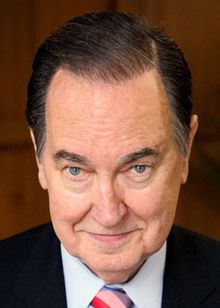
• Readers may email Cal Thomas at tcaeditors@tribpub.com. Look for Cal Thomas’ latest book, “A Watchman in the Night: What I’ve Seen Over 50 Years Reporting on America” (Humanix Books).
Follow the author

Please read our comment policy before commenting.