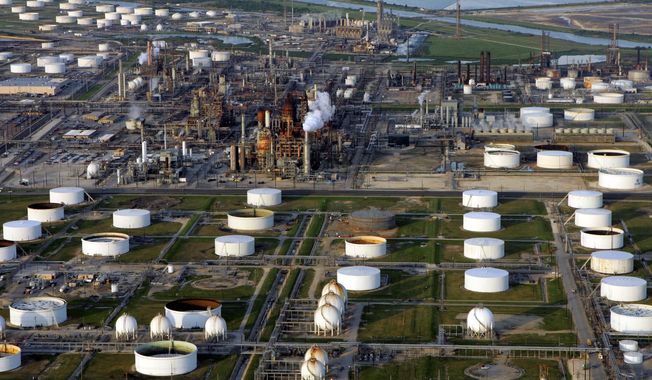
How can we put 140,000 Americans to work, lower our unemployment rate, cut our manufacturing costs, lower gas prices dramatically, become energy independent and get out of the Middle East, where we are despised by virtually everyone? Drill, baby, drill.

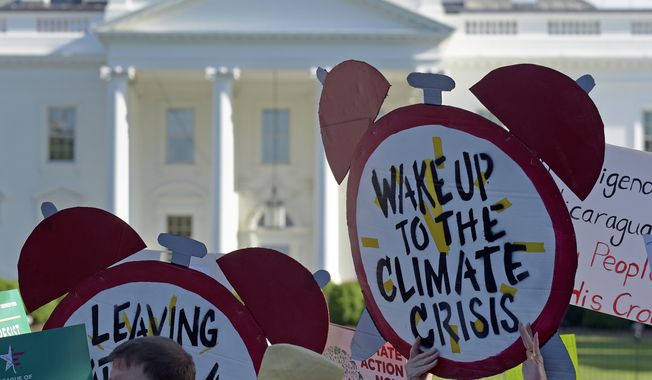
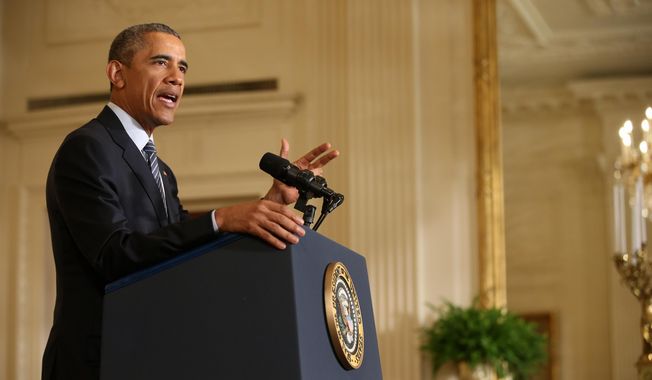
In his inaugural address last week, President Obama demonstrated that he is putting people at risk with misguided climate and energy policies.

Washington's Big Green Lobby is trying once again to drum up interest in a carbon tax. But their "new" proposal would have the same effects as their old cap-and-trade gambit: Americans still would find themselves facing fewer jobs, lower incomes and higher utility prices.
Last week, all the major market indexes eked out positive gains, despite the late-week reversal as "fiscal cliff" discussions took a turn for the worse.

Wind-energy advocates claim that with just one more extension of the 20-year-old "temporary" wind-production tax credit, wind generation finally could become competitive with conventional sources of electricity.

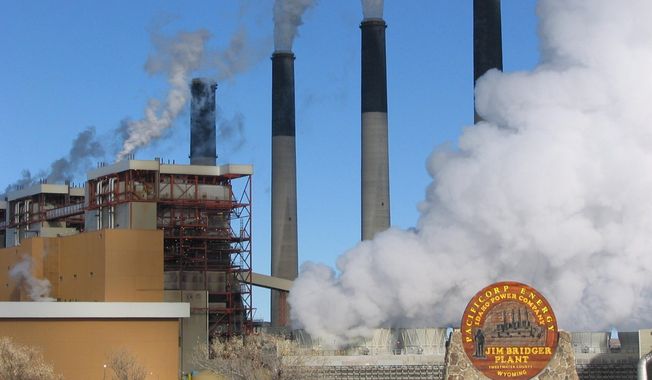
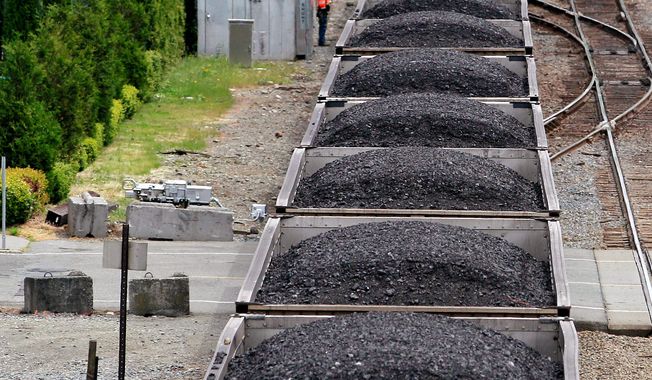
St. Louis-based Patriot Coal Corp. filed for bankruptcy earlier this year -- citing, among other factors, "challenging environmental regulations affecting the cost of producing and using coal, and weaker international and domestic economies."
Natural gas prices surged Thursday after a report showing a smaller than expected increase in U.S. supplies.

This summer's record-breaking temperatures are straining the electric power grid as never before. The Obama administration's obsession with alternative sources of energy and persecution of the ones that work are threatening to break the system.

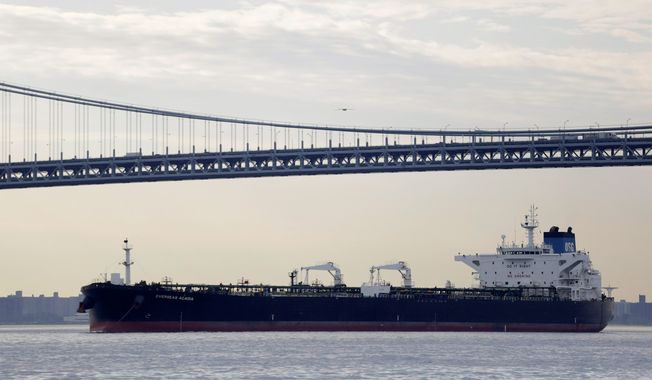
Tough U.S. and European sanctions imposed on Iran's oil industry over its nuclear program are squeezing the country's crude exports and hitting Tehran where it hurts, in the pocketbook, dropping the Islamic republic's oil output to the lowest level in 20 years.

Citing progress in turning up the pressure on Iran to abandon its nuclear program, the Obama administration exempted seven countries from Iran oil sanctions after they significantly cut back their imports of Iranian oil.

Few issues capture and hold the attention of Congress and the administration as energy does, and yet an agreement on energy policy appears as distant today as it has been at any time in recent years. That's because the policies enjoying the latest political currency abandon the attributes most cherished by voters - energy security and affordability.

Gasoline prices likely won't set any records this summer, thanks to a recent drop in the price of oil.

Interior Secretary Kenneth L. Salazar on Tuesday blasted the "world of fairy tales" that he thinks most Republicans and some oil and gas industry leaders live in, arguing that the Obama administration remains committed to domestic fossil fuels and any claims to the contrary are patently false.

U.S. drivers will pay an average of 24 cents more per gallon for gasoline during this summer's travel season, the government said Tuesday.