


SPONSORED What's This?
BetterHelp vs. In-Person Therapy: What You Need To Know
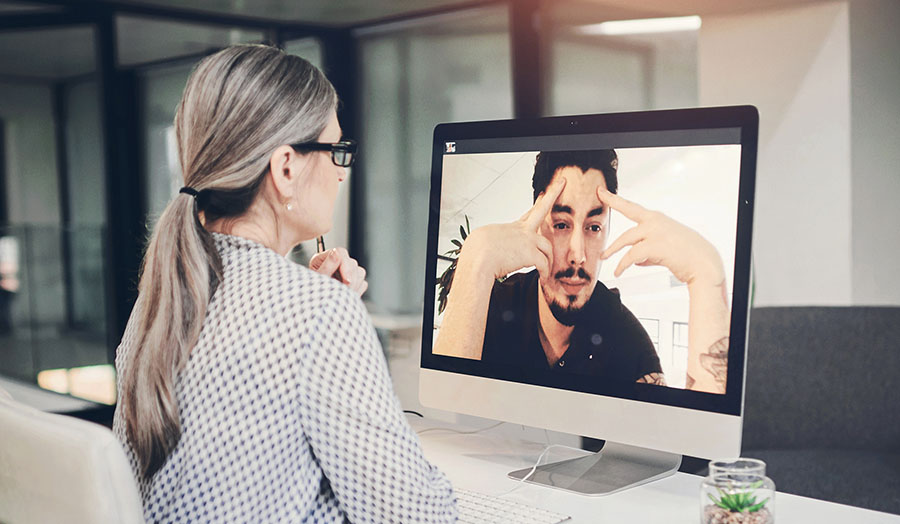
Talk therapy — it’s been the go-to treatment for many mental health concerns for a long time. Until recently, that meant going to an office at a scheduled appointment time and having an in-person session with a counselor.
With the advent of online therapy platforms like BetterHelp, that model has changed, giving patients more optionality when it comes to treatment. So just how does BetterHelp compare to traditional in-person talk therapy?
In many crucial ways, online therapy isn’t all that different from in-person sessions. Myriad studies have confirmed that online therapy is an effective tool, many times just as effective, as in-person therapy. In fact, an analysis of more than 60 studies concluded that “seeing a therapist virtually is just as effective as face-to-face sessions for most people with anxiety, depression, and post-traumatic stress disorder.”
Are BetterHelp Therapists Legit?
In both formats, clients interact with a licensed mental health professional and work on addressing their mental health concerns. And yes, BetterHelp therapists are legit — here’s why:
- BetterHelp has a vast network of more than 33,000 providers, including psychologists, marriage and family therapists, clinical social workers, and professional counselors.
- Each practitioner is licensed to practice in their state and has at least 1000 hours of practical experience.
- BetterHelp also does complete background checks on all of their therapists and regularly checks to make sure they are staying up on their required certifications.
- BetterHelp is completely online and provides four different ways to connect with your provider. You may speak with them over the phone or set up a virtual video session weekly, which is very similar to a session of traditional talk therapy (for a small fee, an additional weekly session may be added). You may also live chat with your therapist or message them. Depending on your plan, you can switch up these formats based on your needs and the counselor's availability.
Can You Message Your Therapist With BetterHelp?
Yes, you can message your therapist with BetterHelp.
One of the advantages of BetterHelp versus traditional in-person therapy is you can interact with your therapist beyond a scheduled weekly appointment. If you opt for a BetterHelp plan that includes messaging, you may send a note to your therapist at any time you feel the need and from any location where you have internet access. This flexibility is particularly beneficial because it allows users to express concerns or feelings as they’re happening — even if that’s after business hours or on the weekend — rather than trying to recall them later during an in-person therapy session.
Your therapist will read your message and then respond with insights, guidance, and/or follow-up questions. You’ll be notified by email when your therapist has sent a response, and because the sessions don’t take place in real time, you can answer them at your convenience.
Messaging can be especially helpful for people who are better at expressing themselves in writing than in spoken conversation or for those who may not feel comfortable revealing certain things while another person is looking at them. With BetterHelp, you also have the ability to log in to your account and reread all your therapist’s messages. This is a significant asset when it comes to implementing and reflecting on the guidance you’re receiving. It also allows you to revisit the discussions and go back for clarification or to follow up.
Online Therapy Can Better Fit Your Life
Some people may want to start therapy but feel like it's not possible given their lives. Some of the most common hurdles people experience when seeking therapy are:
- Their job makes attending an in-person session during traditional business hours impossible.
- It’s difficult to find child care.
- A physical limitation makes traveling difficult.
- Rural residents may find there are few providers within a reasonable distance.
- A desire to keep therapy private, which might not be possible in some communities.
Whatever the reason, because BetterHelp is completely online and discreet, it can alleviate many of these concerns.
BetterHelp also saves you the time and energy of researching providers in your area that fit your needs. A patient fills out a questionnaire explaining what they are interested in, as well as preferences for a provider (someone faith-based or secular? Someone of a specific gender, etc.), and BetterHelp matches the patient with an available therapist. While they are usually pretty spot-on, users always have the option of changing providers at no cost.
Concerned About Cost?
Many potential patients are surprised to learn about the affordability of BetterHelp. Because online counselors don’t have some of the overhead associated with maintaining an office, they often charge less — and that’s reflected in BetterHelp’s pricing.
Traditional in-person therapy generally costs between $100 and $200 per session (sessions usually last between 30 and 50 minutes). Many medical insurance plans don’t have a mental health benefit, and even plans that do cover talk therapy sometimes only pay a portion of the bill — often just half the price of a session — and there can be a limited number of sessions covered, sometimes as few as 10.
BetterHelp doesn’t accept insurance, but monthly plans are still often significantly cheaper. BetterHelp subscriptions range from $65 to $100 per week (sessions are billed monthly), depending on the availability of counselors in your area and the plan you want. BetterHelp pricing is upfront with no hidden costs, and BetterHelp discount codes can help lower the bill. Depending on your situation, financial assistance may also be available.
Anyone who’s ever had to cancel an in-person appointment knows that there can be a hefty fee if you give less than 48 hours’ notice — sometimes even the entire price of the session. Plus, if you get stuck in traffic on your way to therapy, the minutes come off your session, but you’re still charged the total cost. With online therapy like BetterHelp, you can attend your therapy session anywhere you have an internet connection and a computer, phone, or tablet, so you’ll never have to worry about hitting the rush hour bottleneck on your way to a session.
All the more reason to give online therapy a shot.
