


SPONSORED What's This?
DAO-Based VS. CBDC – Blockchain Expert Hooman Motevalli On Power In The Digital Age
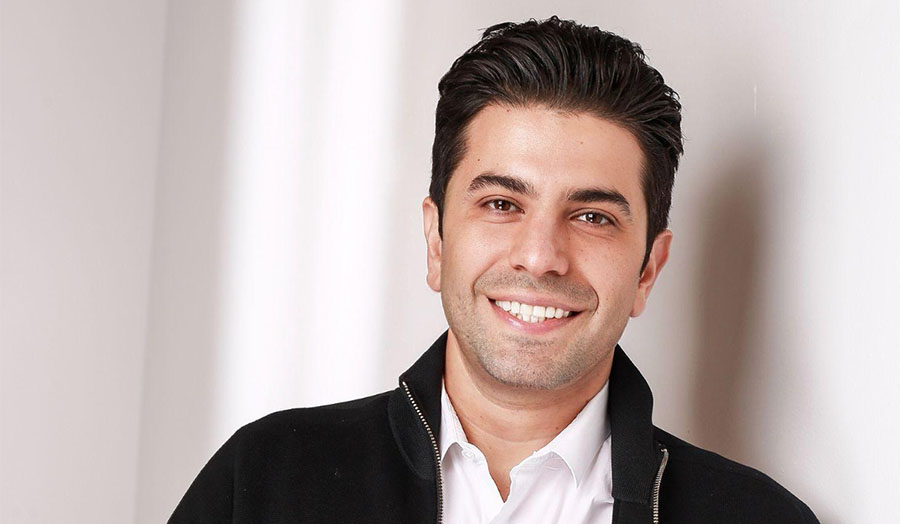
The Decentralized Autonomous Organization (DAO) model is central to the appeal of the world’s most sought after blockchain metaverses and cryptocurrencies. But how much bottom-down autonomy will governments around the world tolerate – especially in light of emerging Central Bank Digital Currencies (CBDC)? According to HSP Holding’s Director, Hooman Motevalli, the future of DAO lies in balance.
Anonymity. Privacy. The ability to move digital assets without the overbearing eye of central authorities digging into your business. This remains one of the central selling points for blockchain-based cryptocurrencies – and the reason why most successful coins take the decentralized, or DAO, approach.
This level of freedom is unprecedented, which – from the perspective of governments worldwide – raises some concerns. Everything from tax fraud to money laundering is made easier when asset exchange is decentralized and autonomous – and the wild-west of the blockchain is slowly being tamed, particularly in the United States.
The IRS continues to remind holders that even their crypto assets must be “rendered unto Caesar.” The US government now holds billions of dollars worth of seized crypto as the hammer falls on nefarious activity. The alternative of Central Bank Digital Currencies (CBDC) remains a point of interest for the Biden administration, following a 2022 executive order calling for “urgent research” on the topic (though this does not guarantee the actualization of this currency – which is unpopular on both sides of the political aisle).
While distinct, DAO crypto and a potential US-backed CBDC pose two different futures for digital currency. One promises autonomy and anonymity. The other gives the Fed more power than ever before.
To make digital heads and tails of this two-sided coin, we reached out to Hooman Motevalli. The director of HSP Holdings and a prolific voice on the future of the blockchain, Motevalli has made the development of DAO-Metaverse platforms a central focus of his career.
While Motevalli has two feet planted on the side of the DAO model, he sees balance as the key to preserving as much autonomy as possible as we enter Web 3.
First things first – what does DAO represent?
“Humanity owns the standards of the Internet and Blockchain,” Motevalli explains. “Yes, there are centralized owners here and there, but the overarching aspects are controlled by humanity-at-large. This is inevitable – not even the planet is controlled at every aspect by a centralized power.”
But as inevitable as decentralization is, so too are the efforts of centralized powers (just look at human history since the dawn of civilization).
The reality is – as mentioned earlier – the struggle between these two models is already at work when it comes to the blockchain (cryptocurrencies in particular) and there are limits to how decentralized DAO assets can really be.
“Taxation is a big threat to decentralization,” he says. “People are ready to pay the tax because they’re earning in the market – that’s not the problem. The concern comes in the removal of anonymity needed to file.”
The appeal of currencies like Bitcoin is that a user could buy and sell it without anyone tracking their actions. This privacy becomes bunk when you have to send a paper trail to the taxman every year. If the IRS can see what you're doing with your Bitcoin, is it truly decentralized?
In Motevalli’s mind, the sustained and unobstructed growth of DAO blockchains will require some concessions on this front. Users will have to be willing to not die on the hill of anonymity when it comes to paying their taxes, in the name of preserving all the other things DAO has to offer.
An example of the possibilities can be seen in emerging DAO-based metaverses, such as one being developed by HSP.
“Because our latest metaverse is a DAO,” Motevalli explains, “we are starting with a voting process which will empower the community to finalize the project. For example, we need a metallurgy, an NFT marketplace, or something like that. We’ll be creating this based on the voting results from the users.”
This metaverse will even have real estate extending beyond the digital world. With real land in Australia and Canada, with planted trees for oxygen production and solar panels for energy, owners in these areas will be able to earn while these properties give back to the environment.
One of the benefits of decentralization is that it opens this investment opportunity up to people across the world, unlike many of the traditional (and centralized) modes of wealth creation.
The reality is that for all of the challenges and regulatory problems around DAO – it continues to beat centralized models in the court of public opinion. Recent polls showed that only 16% of Americans support a CBDC – with takes ranging from cautionary to downright Orwellian. Florida Governor Ron Desantis has even preemptively banned any potential “FedCoin” in his state – with his recent bid for president carrying this issue to the national stage.
But, as Motevalli points out, DAO blockchains need to find balance, so as to coexist with the worldwide regulatory bodies to collect taxes and keep nefarious activity at bay.
It’s a problem as old as Gilgamesh. As long there’s civilization – the centralization of power (or lack thereof) will remain a riddle as philosophical as it is practical. As our civilization moves into the digital – this is only the latest iteration of an overarching political issue.
HSP Holding’s latest metaverse positions itself on the decentralized size of the argument. For those curious as to the power of DAO-blockchain innovations, it’s something to investigate.
For more insight on all things Blockchain, Hooman Motevalli can be found on Linkedin.
