


SPONSORED What's This?
Leen Kawas on AI's Revolutionary Impact in Drug Testing and Regulatory Compliance: Transforming Biotech's Future Through Intelligent Innovation
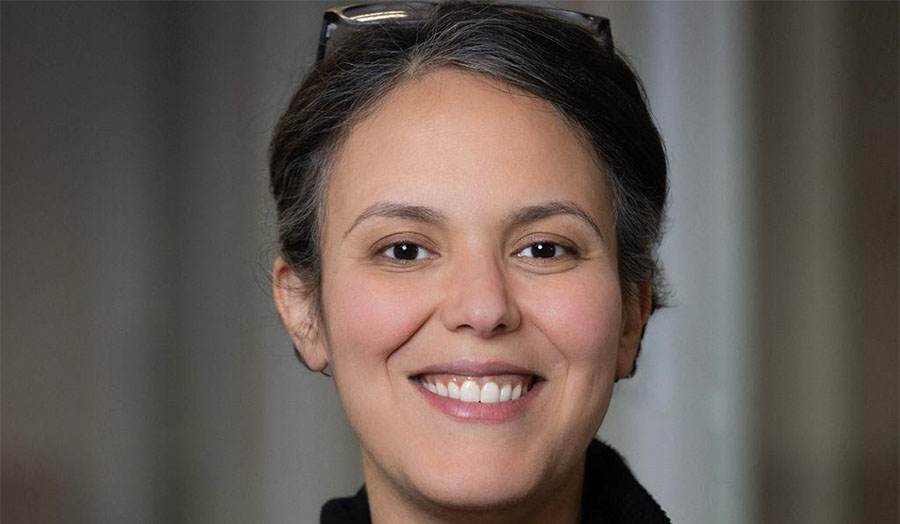
The biotechnology industry stands at a transformative crossroads where artificial intelligence is fundamentally reshaping how drugs are developed, tested, and regulated. At the forefront of this revolution is Leen Kawas, Managing General Partner at Propel Bio Partners, whose biotechnology expertise and investment focus on AI-driven companies provides valuable insights into this rapidly evolving landscape.
The AI-Driven Transformation of Drug Development
Leen Kawas has witnessed firsthand how AI capabilities have become integral to more accurate diagnostics, personalized patient treatment, and chronic disease prediction. This advancement stems from increased computational power and data science capabilities that can capture and process large, diverse datasets with unprecedented efficiency.
The transformation extends far beyond theoretical applications. Traditional drug discovery and development, including animal testing, typically requires three to five years before human trials can begin, followed by another 3-5 years of clinical testing. AI-based approaches are dramatically accelerating these timelines while improving success rates across the entire pharmaceutical development pipeline.
Revolutionizing Preclinical Testing and Compliance
One of the most significant developments in recent years has been the FDA's updated rules allowing new drugs to proceed to human trials without mandatory animal testing, provided adequate AI-powered modeling and simulation evidence is presented. This watershed change reflects AI's growing credibility in predicting drug behavior and toxicity.
Kawas emphasizes how biomarkers work alongside AI and machine learning to solve complex healthcare problems. AI holds tremendous potential to reduce timelines for drug discovery, improve predictions on clinical efficacy and safety, and diversify drug pipelines without bias from individual experience. This approach proves particularly valuable in rare disease drug development, where AI can identify patient populations that would benefit most from specific therapies.
Advanced AI systems now create "digital twins" of biological systems, virtual replicas of organs or patients, to test drug behavior without animal experiments. Companies like Insilico Medicine have demonstrated remarkable results, discovering novel drug candidates in under 18 months at approximately 10% of typical costs using AI for target selection and molecular design.
Transforming Clinical Trials Through Intelligent Design
The clinical trial phase has experienced perhaps AI's most dramatic impact. Kawas's experience with multiple drug development cycles, provides valuable perspective on these changes. Her advocacy for increased diversity in clinical trial management teams aligns perfectly with AI's capability to democratize patient recruitment and trial participation.
AI-powered patient recruitment systems are revolutionizing trial enrollment. Machine learning algorithms can analyze electronic health records, medical registries, and clinical notes using natural language processing to identify patients meeting specific trial criteria. In oncology trials, AI-based screening has increased eligible patient identification by 24-50% over traditional methods, while reducing screening time by one-third.
The European Medicines Agency's groundbreaking approval of Unlearn.AI's "TwinRCT" approach represents a regulatory milestone. This system uses machine learning to generate digital twins of patients for control groups, allowing trials to run with smaller control arms without losing statistical power. This marks the first formal regulatory endorsement of AI-based methods to reduce trial sizes.
Real-Time Monitoring and Adaptive Compliance
Kawas's patient-centric philosophy aligns perfectly with AI's capabilities in real-time trial monitoring. Modern clinical trials generate massive data streams from lab results, vitals, patient-reported outcomes, and wearable sensors. AI-driven monitoring systems continuously analyze this information, flagging anomalies or risks for immediate human attention.
Risk-Based Monitoring platforms use machine learning to identify statistical inconsistencies across trial sites, potentially indicating protocol deviations or data integrity issues. This continuous oversight means problems can be addressed within days rather than months, significantly improving trial quality and participant safety.
Patient safety monitoring has been supercharged by AI's ability to detect subtle symptom clusters or vital sign changes that might indicate emerging safety signals. Kawas's emphasis on serving patients as key stakeholders becomes reality through AI that can parse thousands of data points per patient daily, something impossible with manual monitoring.
Revolutionizing Post-Market Surveillance
Once drugs reach market, AI's role in pharmacovigilance becomes crucial. Post-market surveillance generates tens of thousands of adverse event reports from diverse sources including doctor reports, patient call centers, electronic health records, and social media posts. AI systems now automate case intake and processing, with cases that once required hours of human work completed in minutes.
Major pharmaceutical companies have implemented comprehensive AI solutions for safety monitoring. These systems can cross-link data from spontaneous reports, electronic health records, and patient forums to identify connections that individual reports wouldn't reveal. The FDA has noted AI's exploratory uses to detect and evaluate drug-event associations from literature and to screen social media for adverse events.
Streamlining Regulatory Documentation and GxP Compliance
Kawas's experience with regulatory processes, provides insight into AI's documentation benefits. Bringing new drugs to market requires tens of thousands of pages of reports, from preclinical study summaries to clinical study reports and regulatory submissions.
AI-powered natural language processing tools now assist regulatory writers by auto-generating first drafts and extracting data from source documents. These systems can scan clinical trial databases and auto-populate efficacy and safety results into report templates, dramatically reducing the time needed to produce technical documents.
In Good Manufacturing Practice environments, AI monitors production processes in real-time to ensure they remain within validated parameters. The FDA notes that AI can monitor early warnings or signals that the manufacturing process is not in a state of control, detect recurring problem clusters, and prevent batch losses.
Regulatory Adaptation and Future Directions
Regulatory agencies are actively embracing AI's potential while maintaining rigorous safety standards. The FDA's 2025 draft guidance on "Considerations for the Use of Artificial Intelligence to Support Regulatory Decision-Making" establishes a risk-based credibility assessment framework for AI applications in drug development.
Kawas's vision for technology integration aligns with regulatory approaches: technology can lead to better tools for individualized and precision medicine, allowing researchers to make sense of the different factors that make each individual or patient unique. This perspective emphasizes AI's role in enhancing, rather than replacing, human expertise.
The European Medicines Agency's AI Workplan 2023-2028 demonstrates similar commitment to integrating AI into medicines regulation while building regulatory expertise and ensuring ethical data usage.
Addressing Challenges and Ensuring Responsible Innovation
Despite AI's tremendous potential, Leen Kawas and industry leaders recognize important challenges. Bias in AI systems could inadvertently exclude minority populations from clinical trials or under-detect safety issues in certain demographics. The "black box" nature of complex AI models raises transparency concerns in regulated environments where decision rationales must be explainable.
Data privacy considerations are paramount when AI systems mine medical records or social media for adverse events. Companies must navigate privacy laws while maintaining public trust in algorithmic applications.
As Kawas emphasizes in her leadership philosophy, accountability remains with human decision-makers. The industry consensus supports "human-in-the-loop" approaches where AI augments rather than replaces human judgment.
Conclusion: A New Era of Intelligent Drug Development
Leen Kawas's expertise and experience illuminate how AI is fundamentally transforming biotechnology's regulatory landscape. From accelerating preclinical testing to enabling real-time trial monitoring and revolutionizing post-market surveillance, AI is delivering measurable improvements in speed, cost, and success rates across the entire drug development pipeline.
The future Kawas envisions, where AI can have a holistic view of patients and individuals and lead to the discovery of new therapies or technologies that can help humans live healthier and better, is rapidly becoming reality. As the biotechnology industry continues embracing AI's potential while maintaining rigorous safety standards, patients worldwide stand to benefit from faster, more effective, and more personalized treatments than ever before.
