



OPINION:
America’s electricity demand continues to grow at an unprecedented pace. From advanced manufacturing, to hospitals, small businesses, data centers and the everyday needs of families, virtually every part of our economy depends on a reliable supply of electricity.
As our energy needs grow, so should the protection of the electrical systems that power our communities. Hardening our electric grid against extreme weather events, cyberattacks, and physical attacks is crucial for our economic prosperity.
As Chairman of the Energy Subcommittee on the House Energy and Commerce Committee, I have heard directly from grid operators, electrical equipment manufacturers and engineers on how critical a secure grid is for keeping the lights on for American families and businesses. They understand that a resilient grid requires more than simply generating enough electricity. We must also ensure that the infrastructure delivering electricity to homes and businesses can withstand the threats it faces.
We have unfortunately seen the consequences when that infrastructure is vulnerable.
Intentional attacks on substations by humans have resulted in widespread power outages. Extreme weather events such as winter storms, hurricanes, high winds and wildfires have resulted in substations and power lines being damaged and Americans left without power.
Currently, states submit a State Energy Security Plan (SESP) to the Department of Energy to assist states in assessing their energy landscape, identifying vulnerabilities and investigating ways to ensure energy infrastructure remains reliable, secure, and resilient. These plans serve as a roadmap for states to navigate potential energy disruptions and allow for states to receive funds from the State Energy Program. These funds are used to implement energy security and resiliency plans and allow states to mitigate weaknesses in their energy infrastructure.
However, there are important aspects of a secure energy system these plans do not require. As our energy landscape changes, how we look at grid security must change with it.
That is why I am proud to lead the Securing Community Upgrades for a Resilient Grid (SECURE Grid) Act, which passed the House of Representatives this summer. This legislation requires states to take a closer look at how secure and resilient their local electric grids are. Specifically, states must consider threats to local distribution facilities, the risks posed by increasing grid demand, technologies to mitigate threats, the distinctions between weather related threats and physical threats, how public-private partnerships can assist in meeting energy needs, innovative financing models, and how manufacturers can maintain a secure, reliable and resilient energy distribution system.
Protecting America’s electric grid will require a comprehensive approach. We need to look beyond the power plants that generate our electricity and also focus on the infrastructure that ultimately delivers that electricity to American families and businesses. That means examining vulnerabilities at the local, state, and federal levels and giving communities the tools they need to address them. States know their energy needs best. By strengthening State Energy Security Plans and encouraging states to take a more comprehensive look at the threats facing their electrical systems, we can better prepare for the challenges ahead.
If we want the United States to lead the globe in energy production, manufacturing, and innovation, we must ensure we have a grid that is secure enough to withstand whatever challenges come.
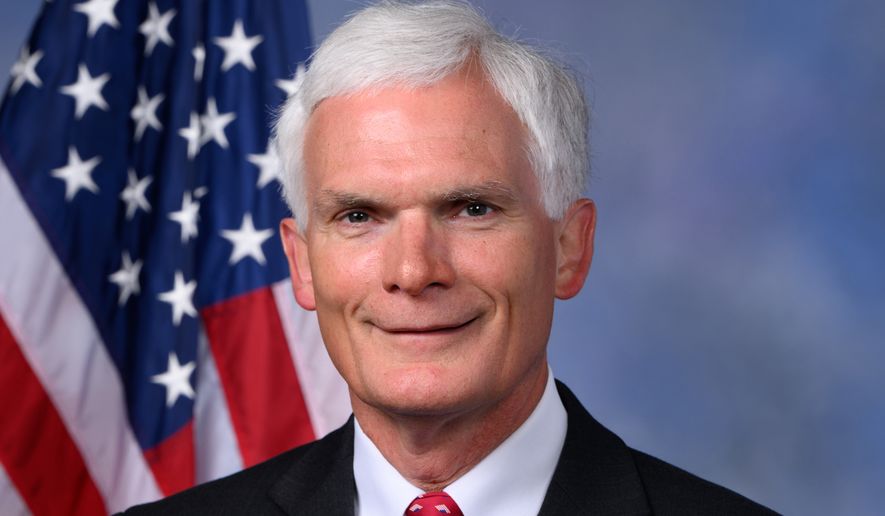
• Rep. Bob Latta is a senior member of the House Energy and Commerce Committee, where he serves as chairman of the Energy Subcommittee. He is also a member of the Communications and Technology Subcommittee and the Environment Subcommittee and serves as Co-chair of the Grid Innovation Caucus.

Please read our comment policy before commenting.