


SPONSORED What's This?
5 Factors That Affect the Cost of Dental Implants
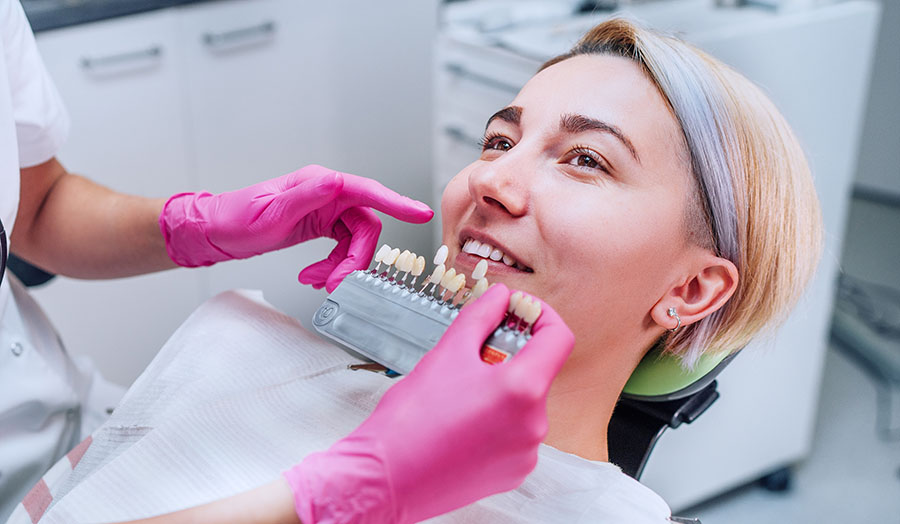
Dental implants can restore your smile and improve your quality of life. Best of all, they may last a lifetime with proper care and maintenance. If your dentist has recommended dental implants or you’re exploring them on your own, the cost may be at the top of your mind. After all, while these devices are often a smart investment, they may range from $3,000 to $7,000 each.1 If you need full-mouth implants, this cost can increase significantly. Let’s take a closer look at the factors that influence dental implant costs and how you can make them more affordable.
Geographical Location
Where you’re located will impact what you might pay for dental implants. This is because dental costs are usually higher in big cities and urban areas than small or rural towns. If you’re in New York City, for example, you can pay more than someone in the middle of Iowa.
Additionally, regional cost-of-living differences and the availability of dental implant specialists can also affect pricing. If you’re willing to travel, exploring dentists in neighboring areas with lower costs might help you save money.
Preparatory Procedures
In a perfect world, a dentist would be able to place dental implants regardless of the state of your mouth. The reality, however, is that many people need to undergo a preparatory procedure such as a bone graft or sinus lift. If this is the case for you, the additional procedure will add to the cost of your implants.
Other common preparatory procedures include extractions of damaged teeth, gum disease treatment, or even orthodontic work to correct alignment issues. Each of these steps adds to the timeline and expense of achieving a restored smile with implants.
Number Of Implants
The number of implants required to improve your oral health will play a pivotal role in your dental implant quote. If you have multiple missing teeth, a dentist may recommend more implants and a more expensive procedure than someone with a single lost tooth.
It’s worth noting that innovative techniques, such as implant-supported dentures or bridges, can sometimes reduce the overall number of implants needed. These methods may be cost-effective alternatives for patients with extensive tooth loss.
Material Of Implants
In the past, titanium was the main material used for dental implants. However, times have changed, and some dentists provide dental implants made of different materials, such as zirconia and porcelain-fused-to-metal. If you’re allergic to metal, for example, zirconia, which is metal-free and hypoallergenic, may be a better option, but it will come with a higher price tag. Your dentist will help you weigh the pros and cons of different materials, considering factors such as durability, appearance, and compatibility with your oral health needs.
Dental Insurance
Dental implants are typically considered a cosmetic procedure. As a result, most insurance companies won’t pay for them. If your implants are a medical necessity, on the other hand, you may receive some insurance coverage. Regardless of your situation, it’s wise to reach out to your insurance company to find out if your policy can help offset some of the cost.
3 Ways to Pay for Dental Implants
Even though dental implants don’t come cheap, there are strategies to make them more affordable. Here are a few ideas you can keep in mind:
- Look into financing: Some dental offices offer in-house financing. Others partner with third-party companies to provide it to patients. Ask your dental office whether they recommend financing solutions to break down the cost of dental implants into easier cost-effective monthly payments that may align better with your budget.
- FSA or HSA: If you have a Flexible Savings Account (FSA) or Health Savings Account (HSA) through your employer, it may make sense to put the funds towards dental implants. You might not be able to cover them entirely with this method, but these accounts may pay for some of the procedure.
- Dental grants: Do some research to find dental grants that may apply to you. You might need to complete a thorough application process, but it will be worth it if the organization covers at least a portion of your implants.
Additionally, consider asking your dental office about discounts for paying in cash or bundling procedures. Some practices may offer promotions or special pricing for new patients.
Don’t Let Finances Stop You from Receiving Dental Implants
If you could benefit from dental implants in Torrance, there is no shortage of financing options at your disposal. With some creativity and effort, you can turn your dream of a beautiful, healthy smile into a reality.
