


SPONSORED What's This?
Preserving History in Gold and Gemstones: DSF Antique Jewelry’s Legacy in Modern Times
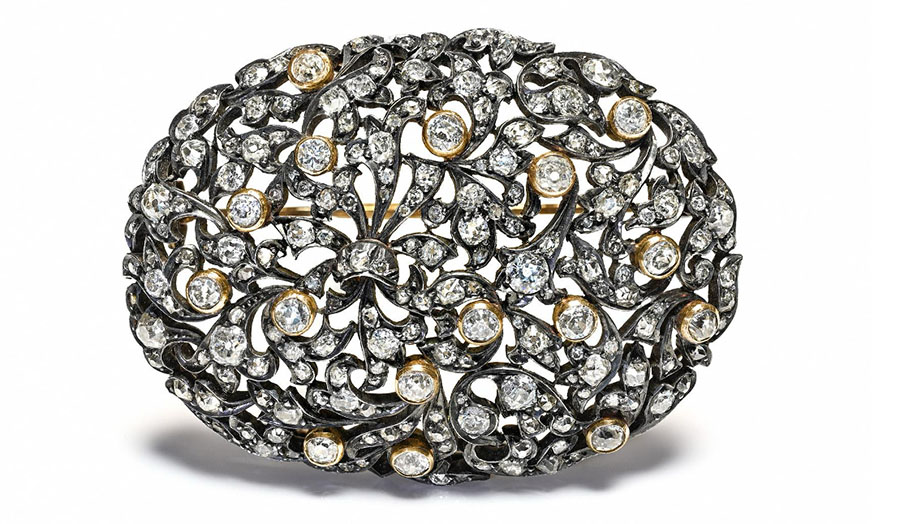
In an era where luxury often chases the next fleeting trend, antique jewelry remains a quiet yet powerful testament to permanence. Each jewel carries a story etched in its materials—gold shaped by artisans long gone, diamonds cut before modern technology, and enamelwork painted with a precision lost to time. To own such a piece is not merely to wear adornment, but to carry history forward. At the center of this mission is DSF Antique Jewelry, a New York–based house known for curating some of the most exquisite and historically significant jewels available today. Their philosophy is simple yet profound: to preserve cultural heritage through the art of jewelry, while offering modern collectors pieces that embody both beauty and lasting value.
Guardians of Jewelry Heritage
DSF Antique Jewelry has built its reputation on an unwavering commitment to authenticity and craftsmanship. Its collections span centuries, encompassing Victorian sentimental jewels, Art Nouveau masterpieces, Edwardian platinum lacework, and the bold geometry of Art Deco design. Each piece is carefully researched and authenticated, ensuring that clients acquire not just jewelry, but a verifiable fragment of history.
Equally important is the presence of names that shaped jewelry history itself: Castellani, with their archaeological revival jewels inspired by ancient Rome; René Lalique, whose Art Nouveau creations transformed jewelry into sculpture; Louis Comfort Tiffany, who brought painterly color to gemstones; and Fabergé, whose hardstone animals and enameled objets d’art remain unmatched in whimsy and technique. By curating works from these masters, DSF functions not just as a dealer, but as a custodian of artistry that defined eras and influenced generations.
Rare Pieces, Enduring Value
What sets DSF apart is its focus on rarity. A Victorian brooch with hidden compartments, a mid-century Cartier bracelet crafted in coral and diamonds, or a Tiffany & Co. inkwell in 18K gold and enamel—all represent the type of pieces DSF seeks. These are not common market finds; they are museum-quality jewels, often appearing in only a handful of known examples worldwide.
One recent highlight was an antique opal cameo pendant attributed to John Brogden, whose revivalist designs blended classical inspiration with Victorian elegance. Another example is a Fabergé hardstone animal carving, remarkable not only for its realistic execution but also for its scarcity—many such objects are now housed in museums rather than private collections. By placing these pieces in the hands of discerning collectors, DSF ensures their continued appreciation and preservation.
Jewelry as Investment and Sustainability
Beyond beauty, antique jewelry has emerged as a compelling investment class. Unlike mass-produced contemporary pieces, antiques carry intrinsic rarity, which naturally drives long-term appreciation. Precious metals such as gold and platinum, combined with gemstones like diamonds, emeralds, and sapphires, anchor their material value. But it is the provenance, craftsmanship, and historical context that elevate these jewels into investment assets.
DSF educates clients on this dual role of jewelry—both as wearable art and a store of value. In times of economic uncertainty, antique jewelry has often held or increased its worth, making it a discreet yet powerful investment vehicle. Moreover, in today’s climate-conscious world, antique jewelry is inherently sustainable. Each piece is a form of recycling at the highest level—preserving beauty without requiring new mining or ecological strain.
Bridging Past and Present
DSF’s work extends far beyond the showroom. Through its robust digital presence—including hallmark guides, historical blogs, and active social media channels—the house educates collectors and enthusiasts worldwide. Articles explore everything from the mysteries of French hallmarks to the influence of Renaissance art on Coco Chanel’s costume jewelry. By producing content that is as informative as it is engaging, DSF invites a broader audience into the world of fine jewelry, not only those ready to buy.
This bridge between past and present also resonates with younger collectors. For millennials and Gen Z, antique jewelry represents more than luxury; it signifies individuality, authenticity, and sustainability. DSF meets this demand by curating jewels that tell stories—pieces with a soul, standing apart from mass-market fashion.
A Global Vision for the Future
Headquartered in New York but serving a global clientele, DSF Antique Jewelry has steadily grown its influence. Its presence on digital marketplaces and luxury platforms makes museum-quality jewelry accessible to international collectors who might otherwise encounter such pieces only behind glass in exhibitions.
At the same time, DSF continues to emphasize exclusivity. The house’s private clients include collectors seeking long-term investments, as well as fashion-forward individuals looking for statement pieces that embody history. By combining accessibility with selectivity, DSF occupies a unique position in the luxury world—bridging mass awareness with connoisseurship.
Conclusion
Jewelry is more than ornament—it is history cast in precious metal and stone. By curating, educating, and sharing rare pieces with the world, DSF Antique Jewelry ensures that the artistry of past centuries not only survives but thrives in the modern age. In doing so, DSF redefines luxury itself: not as something new and fleeting, but as something enduring, meaningful, and profoundly human.
