


SPONSORED What's This?
Small business insurance is crucial for minimizing potential risks
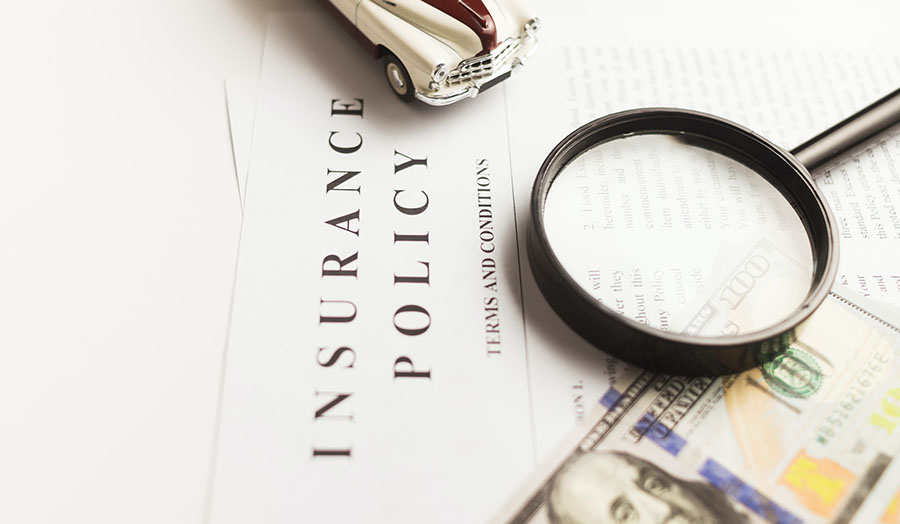
According to recent statistics, 33.2 million small businesses have been established from 2017 until 2022. Although the number has steadily increased through the years, a considerable percentage of them have closed due to Covid-19 (temporarily or not), ineffective business planning or financing hurdles. But such occurrences can be avoided to minimize the risks of ending company activities by having business insurance.
Why is business insurance important?
In the US, businesses are required by law to have certain types of insurance. For example, a business with 50 or more employees must have the Affordable Care Act that provides healthcare coverage; otherwise, the company might risk its activities by violating the law.
It’s obvious why this insurance option is crucial ―employees are injured frequently in their work environments, which is something business owners have to deal with morally by providing all the means to help legally employed people. However, many other types of insurance are needed to cover diverse problems, which businesses face more often than they’d think.
Essential types of insurance
Besides the insurance required by law, businesses must choose certain types of insurance depending on their area of activity. Acquiring small business insurance is essential for avoiding any unfortunate circumstance that could ruin the company.
For example, commercial property insurance is a must if the business is located in an area prone to natural disasters. Hurricanes like Katrina, which caused more than $125 billion in damages in New Orleans, cannot be controlled, so companies need to consider commercial property insurance a priority. A commercial property program covers business personal property and tangible property, including machinery, equipment, outdoor and indoor fixtures and so on.
Another example of needed insurance is the cyber liability that helps companies protect from security breach expenses. Given that in 2021 there were 50% more cyberattacks per week compared to 2020, we can see how the trend increases, which puts small businesses to risk since they’re the first targets due to their weak security systems. Cyber liability insurance covers common claims, including breach notification expenses, data breach lawsuits and fraud monitoring costs.
Learn to choose the business insurance relevant to your company
Acquiring a certain type of insurance for your business needs to be done in accordance with a few factors, such as:
- Business needs, depending on the type of the company (for example, a home-based business should look for proper insurance);
- Potential risks that are linked with business activities (e-commerce businesses and brick-and-mortar companies are exposed to different hazards);
Comparing quotes to find a good agent or broker is also a slow process to make sure the insurance covers exactly what is needed. Reports and evaluations are essential for determining the correct type of insurance.
Bottom line
Although not all small businesses are covered, the risks they’re susceptible to are incredibly damaging. Most of them lead to ending all business activities, which happens more often now since managers don’t consider more than law-required insurance for their business, but this should change.
