


SPONSORED What's This?
The Impact of OCR Software on Supply Chain Management
Introduction to OCR Software and its Functionality
Are you ready to revolutionize your supply chain management? Look no further than OCR software. In this fast-paced digital world, businesses are constantly searching for ways to streamline their operations and boost productivity. And that's where OCR (Optical Character Recognition) comes into play. This incredible technology has the power to transform how you manage your supply chain, making it more efficient, accurate, and cost-effective. Curious about the impact of OCR software on supply chain management? Strap in as we dive deeper into this game-changing solution!
The Role of OCR in Supply Chain Management
In today's fast-paced world, supply chain management plays a crucial role in ensuring the smooth flow of goods and services. One technology that has revolutionized this process is Optical Character Recognition (OCR) software. OCR enables businesses to streamline their operations by converting printed or handwritten text into digital data.
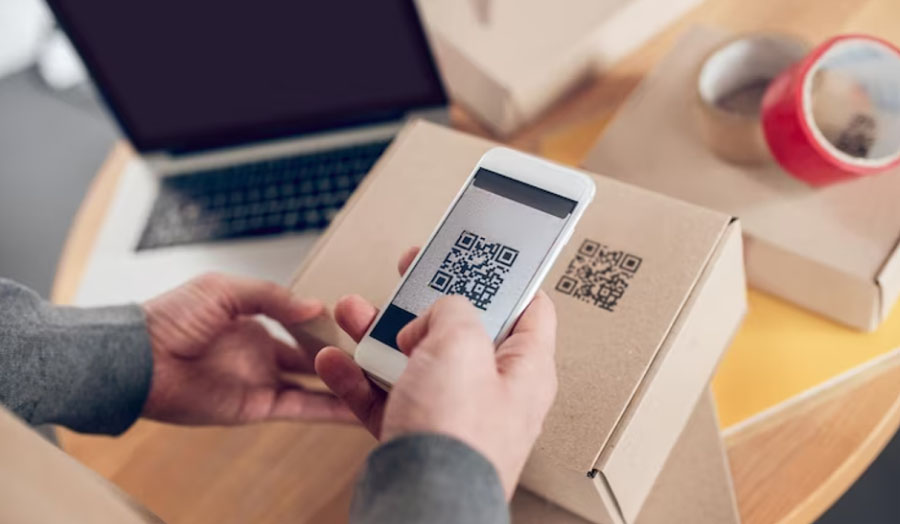
With the help of OCR, supply chain managers can easily digitize documents such as invoices, purchase orders, bills of lading, and shipping labels. This eliminates the need for manual data entry and reduces the risk of errors caused by human intervention. By automating these processes, organizations can increase efficiency and productivity while saving valuable time and resources.
Furthermore, OCR enhances visibility within the supply chain by providing real-time access to critical information. It allows managers to track shipments more effectively, monitor inventory levels accurately, and analyze customer demand patterns efficiently.
Additionally, OCR plays a vital role in ensuring compliance with various regulations imposed on supply chains. For instance, it helps companies maintain accurate records required for auditing purposes and assists in verifying product authenticity through barcode scanning.
Incorporating OCR software into supply chain management processes is essential for optimizing operations in an increasingly digitized world. Its ability to convert physical documents into actionable data not only improves accuracy but also enhances decision-making capabilities. As technology continues to advance rapidly, we can expect further developments in OCR applications that will drive even greater efficiencies throughout the global supply chain network.
Benefits of Implementing OCR in the Supply Chain
OCR software has become an indispensable tool in the world of supply chain management. With its ability to convert printed or handwritten text into digital format, OCR technology provides numerous benefits for businesses operating in this complex industry.
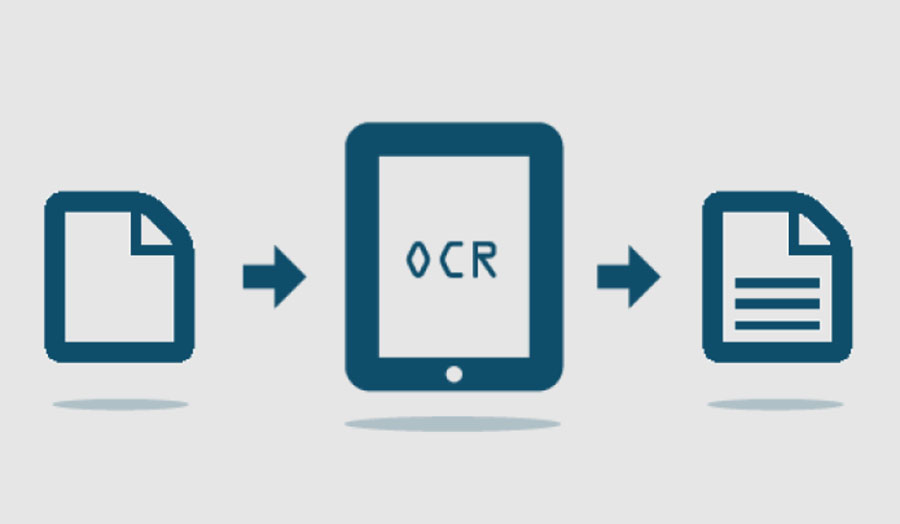
One of the major advantages of implementing OCR in the supply chain is enhanced efficiency. By automating data entry processes, OCR eliminates the need for manual transcription and reduces human error. This not only saves time but also improves accuracy, leading to more reliable inventory tracking and order processing.
Another significant benefit is improved visibility across the supply chain. With OCR, documents such as invoices, purchase orders, and shipping labels can be easily scanned and processed digitally. This allows for real-time access to critical information at any point along the supply chain, enabling better decision-making and faster response times.
Furthermore, OCR helps streamline communication between suppliers and customers by facilitating seamless document exchange. Invoices can be automatically matched with corresponding purchase orders, reducing discrepancies and speeding up payment cycles. Additionally, electronic capture of important documents enables faster resolution of disputes or claims.
In addition to these operational advantages, implementing OCR in the supply chain also supports sustainability efforts. By digitizing paper-based processes, companies can significantly reduce their environmental footprint while simultaneously improving cost savings associated with printing and storing physical documents.
Integrating OCR software into supply chain management offers a multitude of benefits ranging from increased efficiency and visibility to improved communication and sustainability practices. As businesses continue to embrace automation technologies like OCR, we can expect further advancements that will revolutionize how they operate within their respective industries.
Challenges and Limitations of OCR in Supply Chain Management
While OCR software has undoubtedly revolutionized supply chain management, it is not without its challenges and limitations. One of the main obstacles faced when implementing OCR is the accuracy of the system. Despite advancements in technology, there can still be errors in character recognition, especially when dealing with handwritten or poorly scanned documents.
Another challenge lies in the variability of document formats. Different suppliers may have different templates and layouts for their invoices, purchase orders, and other paperwork. This can pose a problem for OCR systems as they need to be trained to recognize various formats accurately.
Furthermore, language barriers can also present challenges for OCR. If a company operates internationally or deals with suppliers from different countries, translating documents accurately becomes crucial. OCR may struggle with recognizing characters from languages it is not familiar with.
OCR also faces limitations when dealing with non-textual information such as images or diagrams on documents. While it excels at extracting text data, interpreting visual elements can prove challenging for this technology.
Cost considerations should not be overlooked when implementing an OCR solution. The initial investment required may deter some companies from adopting this technology fully.
Despite these challenges and limitations, continuous advancements are being made to overcome them. As technologies improve and algorithms become more sophisticated, we can expect greater accuracy and efficiency from OCR systems in the future
Future of OCR in Supply Chain Management
The future of OCR (Optical Character Recognition) in supply chain management is promising and full of opportunities. As technology continues to advance, so does the functionality and capabilities of OCR software. With its ability to accurately convert physical documents into digital formats, Packagex OCR has already made a significant impact on streamlining supply chain processes.
One area where OCR is expected to play a crucial role in the future is in inventory management. By automatically scanning and extracting data from invoices, purchase orders, and receipts, OCR can greatly improve accuracy and efficiency when it comes to tracking stock levels. This will not only save time but also reduce human errors that often occur with manual data entry.
Another exciting prospect for the future of OCR lies in its integration with artificial intelligence (AI). By leveraging AI algorithms, OCR software can learn from past patterns and make predictions about demand forecasting, helping businesses optimize their inventory levels even further. Additionally, by analyzing historical data captured through OCR technology, companies can gain valuable insights into consumer behavior trends and make informed decisions regarding their supply chain strategies.
Furthermore, as e-commerce continues to thrive globally, there will be an increasing need for efficient document processing within supply chains. With the help of advanced machine learning algorithms embedded within OCR systems, companies will be able to automate tasks such as order fulfillment confirmation or shipping label generation. This automation not only speeds up processes but also reduces costs associated with manual labor.
Conclusion
OCR software has proven to be a game-changer in supply chain management. Its ability to convert scanned or printed documents into editable and searchable data has streamlined processes, improved accuracy, and increased efficiency across the entire supply chain.
By automating data entry tasks, OCR eliminates human error and reduces processing time. This not only saves valuable resources but also allows businesses to focus on more strategic activities that drive growth.
The benefits of implementing OCR in the supply chain are numerous. From faster order processing and inventory management to enhanced visibility and reduced costs, organizations can gain a competitive edge by harnessing the power of this technology.
However, it is important to acknowledge the challenges and limitations of OCR software. While advancements have been made in accuracy rates, there may still be instances where errors occur due to poor image quality or complex document formats. Regular maintenance and updates are necessary to ensure optimal performance.
Looking ahead, the future of OCR in supply chain management looks promising. With ongoing technological advancements such as machine learning and artificial intelligence (AI), we can expect even greater accuracy levels and expanded capabilities from OCR systems.
As businesses continue to embrace digital transformation initiatives, the demand for efficient document processing solutions will only grow stronger. The integration of mobile devices with OCR technology presents new opportunities for real-time data capture on the go, further enhancing agility within the supply chain ecosystem.
