


SPONSORED What's This?
Beyond Bottled Water: A More Sustainable Way to Reduce PFAS Risk at Home
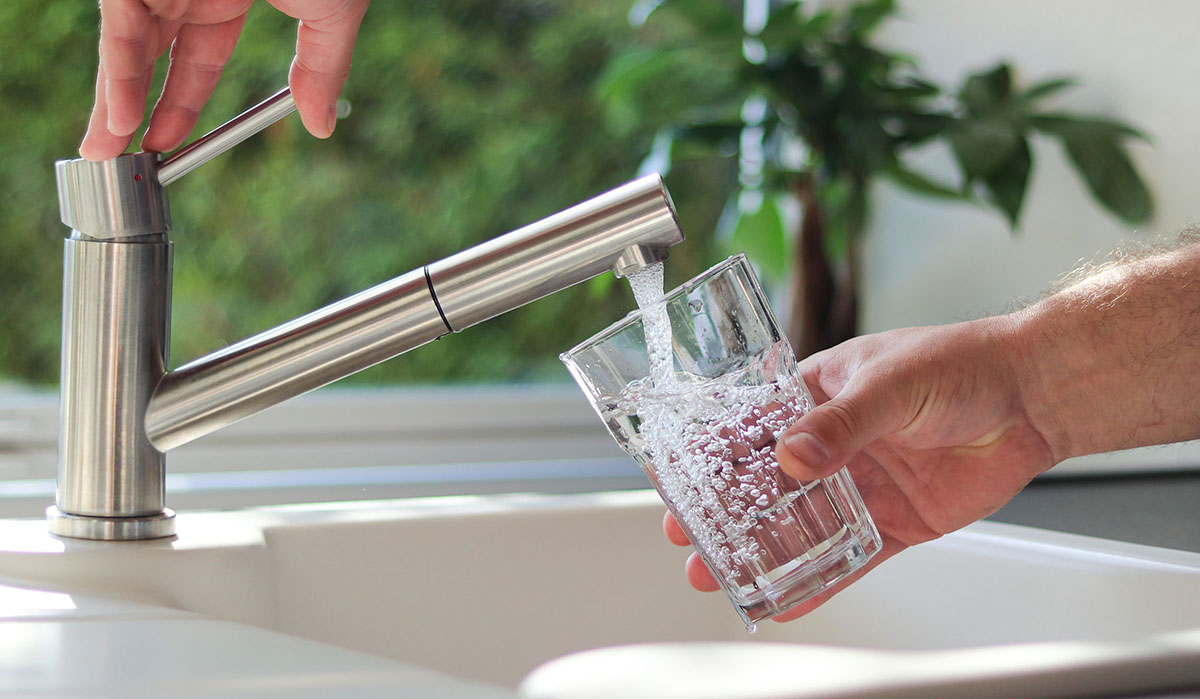
PFAS, or per- and polyfluoroalkyl substances, are often called “forever chemicals” because they break down very slowly and can persist in water, soil, wildlife, and the human body. EPA says exposure to some PFAS may be linked to health effects involving cholesterol, liver enzymes, immune response, pregnancy outcomes, and certain cancers. In the U.S., PFAS detections in public water systems have been reported across the country through EPA’s ongoing UCMR 5 monitoring program, underscoring that this is no longer a niche contamination issue.
That growing concern is one reason federal rules tightened in 2024. EPA finalized the first national, legally enforceable drinking water standard for six PFAS, including maximum contaminant levels of 4 parts per trillion for PFOA and PFOS. EPA has since said it will retain those 4 ppt limits for PFOA and PFOS while adjusting parts of the broader compliance framework. The bigger shift is cultural as much as regulatory: PFAS is no longer just a technical issue for utilities and regulators. It has become a household water question.
For many families, the instinctive response is simple: switch to bottled water. It feels like a cleaner, safer substitute, especially when news about “forever chemicals” is tied to tap water. But bottled water is not a perfect firewall against PFAS risk, and it introduces a separate set of environmental tradeoffs.
Why People Turn to Bottled Water
People usually buy bottled water for reassurance. It is portable, familiar, and often marketed around purity. But that does not mean it is automatically PFAS-free. In 2024, the U.S. FDA released results from testing 197 bottled water samples collected in 2023 and 2024. PFAS were detectable in 10 samples. Four of the detected PFAS were below EPA drinking water limits for compounds with established MCLs, while two detected PFAS did not have EPA MCLs. FDA’s results were not a sign that bottled water is uniformly high in PFAS; rather, they showed that bottled water is not the same thing as zero PFAS.
That distinction matters. A measured concentration can be low and still challenge the assumption that bottled water offers absolute separation from the broader contamination problem. In other words, bottled water may offer reassurance for some consumers, but it should not be treated as a guaranteed PFAS-free solution.
The Environmental Cost of the “Safer” Choice
Bottled water also carries a sustainability cost that is easy to overlook when the focus is on immediate peace of mind. A United Nations University Institute for Water, Environment and Health review estimated that the world generated roughly 600 billion plastic bottles and containers in 2021, amounting to about 25 million tonnes of plastic waste. The report also warned that the growth of bottled water contributes to plastic pollution and carbon emissions while diverting attention from more durable improvements in drinking water systems.
The issue is not only waste after use, but impact across the full product lifecycle. Reviews of the bottled water sector note that most bottled water is sold in PET containers and that environmental burdens occur during resin production, bottle manufacturing, transport, refrigeration, and disposal. Separate research on water-packaging waste also found that waste management choices, especially incineration, contribute meaningfully to carbon emissions. Taken together, that means bottled water can solve one perceived problem while creating another.
There is another irony here: bottled water can also come with its own packaging-related contamination questions. NIH highlighted a 2024 study finding that, on average, a liter of bottled water contained about 240,000 plastic particles, most of them nanoplastics. That is a separate issue from PFAS, but it reinforces the broader point that bottled water is not a universally “cleaner” answer by default.
A Better Balance: Health Protection Without the Plastic Habit
A more durable answer is to reduce PFAS at the tap rather than outsource the problem to disposable packaging. EPA says some home filters can reduce PFAS in drinking water, but not all filters are designed for that purpose. Its consumer guidance specifically recommends looking for products certified for PFAS reduction under NSF/ANSI 53 or NSF/ANSI 58 by an ANSI-accredited third-party certifier.
Among household options, reverse osmosis is widely treated as one of the most effective technologies for reducing PFAS. EPA includes reverse osmosis among the treatment approaches used for PFAS reduction, and its consumer guidance points buyers toward NSF/ANSI 58-certified systems when shopping for home filters. That matters because many common filters are built mainly for taste, odor, or chlorine reduction, not for PFAS specifically. Certification is what helps separate a general water filter from one with a verified PFAS-reduction claim.
Waterdrop Filter’s RO Options for Different Households
For households that want a point-of-use solution instead of relying on bottled water, Waterdrop Filter highlights three products aimed at different living situations. The G3P800 RO System is positioned as the family-use option: it can reduce PFOA by up to 98% and PFOS by up to 99%. It is presented for homes with children, pregnant women, or older adults; Waterdrop also lists NSF/ANSI certifications on its product materials, including PFAS-related claims in campaign materials and NSF/ANSI 58 and 372 on the product page.
For larger households, the X16 RO System is the higher-capacity option. It delivers 1,600 gallons per day and reduces PFOA by 98.88% and PFOS by 98.97%. The official product page lists NSF/ANSI 42, 58, and 372 certifications and frames the system as a fit for homes that need faster flow for drinking, cooking, and everyday kitchen use without long wait times.
For renters or smaller kitchens, the DLG-P is the compact option in the lineup. It can reduce PFOA by 99.7% and PFOS by 99.6%, with a smaller footprint and simpler installation better suited to apartments or first-time buyers. In the materials I found for this piece, Waterdrop cites testing for those PFAS-reduction figures, but the initiative summary does not list an NSF/ANSI PFAS certification for this model the way it does for some other products.
The Long-Term Answer Is Not More Plastic
As World Water Day reminds people of the value of freshwater, it also underscores a broader point — the most effective solutions are not just safer, but more sustainable.
Bottled water can feel like a quick fix, but it is not a universal answer to PFAS. The evidence now points to a more measured conclusion: bottled water is not necessarily PFAS-free, and treating it as the default safety strategy can come with added plastic waste and lifecycle emissions. A better long-term approach is to pair scientific understanding with a more sustainable household choice: reducing PFAS where families use water every day, at the tap.
