


SPONSORED What's This?
Dr. Darren Burke's Strategy to reduce Food Waste with Future Foods
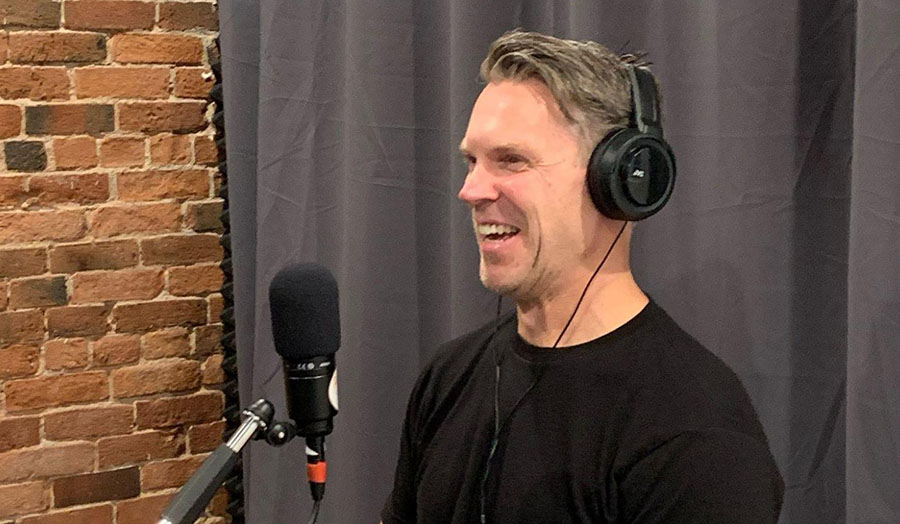
In a world that produces enough food to feed every human being, it remains a perplexing paradox that hunger still afflicts hundreds of millions. The solution, however, might lie closer than we think—in the heaps of wasted food that never make it from farm to table. Enter Darren Burke, a seasoned scientist and entrepreneur who is steering his company, Future Foods, to tackle this issue head-on.
The Challenge of Food Waste
Food waste is a critical issue globally. An estimated one-third of all food intended for human consumption is lost or wasted. This isn't just a social or ethical issue but a significant environmental one. Food waste contributes to unnecessary water usage, carbon emissions, and takes up landfill space, releasing methane—a potent greenhouse gas.
Dr. Burke's Vision
Dr. Darren Burke, whose career spans from academia to entrepreneurship, understands the multifaceted nature of this problem. With his latest venture, Future Foods, he focuses on 'upcycling'—a process that transforms wasted fruits and vegetables into valuable food products. This is not merely about reusing waste but enhancing its value and utility.
Local Waste, Global Solutions
The strategy is elegantly simple yet profoundly impactful: connect local waste to global food and brand builders. Future Foods begins this process by sourcing rejected but perfectly edible produce from local farmers and retailers—products deemed unsellable due to aesthetic imperfections or logistical errors.
Once collected, these ingredients undergo a rigorous process of cleaning, sorting, and processing. Using state-of-the-art technology, these items can be transformed into high-quality ingredients like powders and snacks. These products offer not only a sustainable alternative to conventional food items but also carry enhanced value as they were created in a carbon saving process, making them ideal for addressing the ever pressing issue of climate change.
Technology and Scalability
A crucial component of Dr. Burke’s strategy is the implementation of advanced technology, efficient supply chain logistics, and local partners. Future Foods utilizes modern drying technologies that preserve the nutritional content and extend the shelf life of food products. This approach not only ensures the efficiency of the upcycling process but also enhances the scalability of the solution—making it feasible to expand globally.
Overcoming Logistical Challenges
Logistical challenges are significant but not insurmountable. Dr. Burke and his team are pioneering solutions to ensure that upcycled foods are safely and efficiently transported and stored. Their approach minimizes the environmental footprint of logistics while maximizing the reach and impact of their products.
A Global Network
The fight against food waste cannot be won in isolation. Hence, Dr. Burke is actively seeking partnerships across the globe. His recent expansion into the New Zealand market is a testament to the universal appeal and necessity of tackling food waste. Such international collaborations are crucial—they facilitate knowledge exchange, adapt local innovations for global use, and unify efforts across borders.
Looking Ahead
As Future Foods grows under Dr. Burke’s leadership, it is poised to play a significant role in transforming public perceptions about upcycled food. The company's efforts are setting the stage for a world where sustainability and quality go hand in hand, and where local solutions have a profound global impact.
Dr. Darren Burke’s work with Future Foods is more than a business model; it’s a movement towards a sustainable, circular food chain, and a climate friendly option for change. By valuing what we once discarded, Future Foods is not just feeding people but nurturing the planet.
