


SPONSORED What's This?
Improve Loading Efficiency with Yard Ramps For Manufacturing Leaders
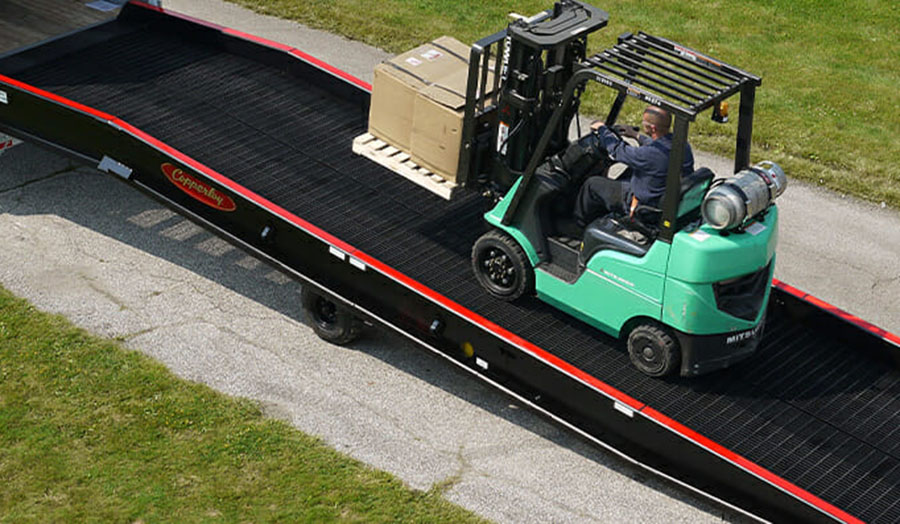
Introduction to Yard Ramps for Manufacturing Leaders
In the fast-paced world of manufacturing, efficiency and safety are paramount. One often-overlooked solution that can significantly enhance operational efficiency is the yard ramp. Yard ramps are essential tools for loading and unloading goods, bridging the gap between ground level and loading docks or trucks. For manufacturing decision-makers, understanding the benefits and considerations of yard ramps can lead to improved productivity and safer work environments.
Understanding Yard Ramps
Yard ramps are portable loading ramps designed to facilitate the transfer of goods from trucks or trailers to the ground or a loading dock. They come in various types, including mobile, stationary, and hydraulic yard ramps, each suited to different needs and environments. Mobile yard ramps, for example, are equipped with wheels for easy movement around a facility, while stationary ramps are fixed in one location, providing a stable and permanent loading solution. Hydraulic ramps offer adjustable height options, making them versatile for varying dock heights and truck bed levels.
One prominent provider of high-quality yard ramps for sale is Copperloy, known for its durable and customizable solutions that cater to a wide range of manufacturing needs. By investing in a reliable yard ramp, manufacturing leaders can streamline their loading and unloading processes, ultimately saving time and reducing labor costs.
Benefits of Using Yard Ramps in Manufacturing
Implementing yard ramps in manufacturing operations offers numerous benefits, foremost of which is improved loading and unloading times. With a yard ramp, forklifts and other equipment can easily move goods between the ground and elevated platforms, eliminating the need for complex and time-consuming lifting mechanisms. This efficiency translates to faster turnaround times and increased throughput, allowing facilities to handle more shipments in less time.
Safety is another critical advantage of using yard ramps. Traditional loading and unloading methods often involve risky maneuvers that can lead to accidents and injuries. Yard ramps, however, are designed with safety features such as non-slip surfaces, guardrails, and adjustable heights to ensure secure and stable operations. By reducing the likelihood of accidents, yard ramps help protect workers and minimize downtime caused by injuries.
Furthermore, yard ramps contribute to cost savings and operational efficiency. By simplifying the loading and unloading process, they reduce the need for manual labor and associated costs. Additionally, the increased speed and efficiency provided by yard ramps can lead to lower operational expenses and higher profitability.
Incorporating yard loading ramps into manufacturing operations is a strategic decision that can significantly impact efficiency, safety, and cost-effectiveness. The following sections will delve deeper into key considerations when choosing a yard ramp and the specific challenges they address in the manufacturing environment.
Key Considerations in Choosing Yard Ramps
When selecting the right yard ramp for your manufacturing facility, several key factors need to be considered to ensure it meets your specific needs. Understanding these factors will help you make an informed decision that maximizes efficiency and safety.
1. Capacity and Material: The load capacity of a yard ramp is crucial. It must support the weight of your heaviest equipment and goods. Yard ramps are typically made from robust materials like steel or aluminum. Steel ramps offer higher weight capacities and durability, making them ideal for heavy-duty applications. Aluminum ramps, while slightly less robust, are lighter and easier to move, making them suitable for facilities that require frequent repositioning of ramps.
2. Size and Dimensions: The size of the yard ramp, including its length, width, and height, should align with the specific requirements of your loading and unloading processes. Longer ramps provide a gentler incline, which is beneficial for safely loading heavy items. The width should accommodate the widest equipment used in your operations, and the height must be adjustable to match the dock or truck bed heights.
3. Mobility and Adjustability: Mobile yard ramps are equipped with wheels, allowing them to be easily moved around your facility. This flexibility is essential for dynamic environments where loading and unloading locations vary. Hydraulic yard ramps, which can be adjusted to different heights, offer versatility and ease of use, especially when dealing with varying dock and truck bed levels.
4. Customization Options: Some yard ramps can be customized to meet specific needs. Customization might include special coatings for enhanced durability, unique dimensions, or additional safety features. Copperloy, for instance, offers a range of customizable solutions tailored to the unique requirements of different manufacturing operations.
5. Maintenance and Durability: Consider the long-term maintenance requirements and durability of the yard ramp. High-quality ramps made from durable materials and featuring robust construction will require less maintenance and offer a longer lifespan, providing better return on investment.
Challenges and Solutions with Yard Ramps
Manufacturing operations face several challenges in loading and unloading goods, and yard ramps offer practical solutions to many of these issues.
1. Uneven Terrain: Uneven or rough ground can make loading and unloading difficult and dangerous. Mobile yard ramps with adjustable heights and robust construction can easily adapt to varying terrain, ensuring safe and efficient operations.
2. Time Constraints: In fast-paced manufacturing environments, time is critical. Yard ramps streamline the loading and unloading process, significantly reducing the time required to transfer goods between trucks and storage areas. This efficiency helps meet tight schedules and increases overall productivity.
3. Safety Risks: Loading and unloading goods manually or using inadequate equipment can lead to accidents and injuries. Yard ramps are designed with safety features such as non-slip surfaces, side rails, and gradual inclines to minimize these risks. By providing a stable and secure platform for moving heavy goods, yard ramps enhance workplace safety.
4. Space Limitations: Limited space can be a significant challenge in busy manufacturing facilities. Mobile yard ramps can be moved and stored easily when not in use, freeing up valuable space and ensuring that loading and unloading areas are not obstructed.
By addressing these common challenges, yard ramps play a vital role in enhancing the efficiency and safety of manufacturing operations. In the next section, we will summarize the key takeaways and provide guidance on making the right yard ramp decision for your facility.
Making the Right Yard Ramp Decision
Choosing the right yard ramp is a critical decision for manufacturing leaders looking to improve their loading and unloading processes. Yard ramps offer a range of benefits, from enhanced efficiency and safety to significant cost savings. By understanding the key considerations—such as capacity, material, size, mobility, and customization options—decision-makers can select the best yard ramp to meet their specific needs.
Efficiency and Speed: Yard ramps streamline operations by allowing forklifts and other machinery to move goods quickly and safely between different levels. This results in faster turnaround times and increased throughput, enabling manufacturing facilities to handle more shipments efficiently.
Safety: Yard ramps reduce the risk of accidents and injuries by providing stable and secure loading and unloading platforms. Features such as non-slip surfaces, guardrails, and adjustable heights ensure that operations can be conducted safely, protecting both workers and goods.
Cost Savings: The improved efficiency and reduced need for manual labor provided by yard ramps lead to significant cost savings. Additionally, high-quality, durable yard ramps require less maintenance and have a longer lifespan, offering better returns on investment over time.
Adaptability: Yard ramps are versatile tools that can be used in various environments and for different applications. Mobile and hydraulic yard ramps offer flexibility, making them ideal for facilities with changing loading and unloading needs.
Copperloy, a leading provider of yard ramps, offers a wide range of customizable solutions designed to meet the specific demands of different manufacturing operations. By investing in a Copperloy yard ramp, manufacturing leaders can ensure that their loading and unloading processes are optimized for maximum efficiency and safety.
In conclusion, yard ramps are invaluable assets for manufacturing facilities, addressing common challenges and providing numerous operational benefits. By carefully considering the factors discussed in this article and selecting the right yard ramp, decision-makers can significantly improve their facility's productivity and safety. For more information and to explore Copperloy's range of yard ramps, visit their website.
